Prime Minister Narendra Modi recently unveiled a majestic 77-foot tall bronze statue of Lord Ram in Goa, marking a significant cultural and spiritual milestone for the state and the nation. The grand ceremony, held on October 26, 2023, positioned the coastal state as a burgeoning center for spiritual tourism, blending its vibrant heritage with profound cultural expressions. This monumental installation symbolizes a renewed emphasis on India's rich mythological narratives and artistic prowess.
Background: A Confluence of Culture and Devotion
The installation of the Lord Ram statue in Goa is a multifaceted initiative, deeply rooted in India's spiritual ethos and aligned with a broader national trend of cultural revitalization. Lord Ram, a central deity in Hinduism, embodies ideals of righteousness, justice, and good governance, making his representation a source of profound inspiration for millions across the country.
The Enduring Legacy of Lord Ram
Lord Ram, the seventh avatar of Vishnu, is revered as the epitome of dharma (righteousness) and an ideal king. His epic journey, chronicled in the Ramayana, resonates deeply within Indian society, influencing art, literature, philosophy, and daily life for millennia. The concept of 'Ram Rajya' – a utopian state of ideal governance – remains a powerful aspiration, frequently invoked in contemporary political and social discourse. The statue, therefore, is not merely an artistic creation but a potent symbol of these cherished values.
Goa’s Unique Cultural Tapestry
While internationally renowned for its pristine beaches, vibrant nightlife, and Portuguese colonial architecture, Goa also boasts a rich and ancient Hindu heritage. The state is home to numerous historic temples, many of which were rebuilt after periods of destruction, reflecting a resilient cultural identity. This new statue serves to further highlight and integrate this often-overlooked dimension of Goa's cultural landscape, offering a deeper, more holistic experience for visitors beyond its coastal allure. It positions Goa as a destination where spiritual contemplation can coexist with leisure and natural beauty.
A National Trend of Monumental Statues
The unveiling of the Lord Ram statue in Goa is part of a larger national movement towards erecting grand monuments that celebrate India's historical and mythological figures. This trend, exemplified by the Statue of Unity in Gujarat and the upcoming Ram Temple in Ayodhya, reflects a conscious effort to reclaim and assert India's cultural identity on both national and international stages. These colossal structures are envisioned not just as tourist attractions but as powerful symbols of national pride, unity, and a connection to ancient roots. They aim to instill a sense of shared heritage and inspire future generations.
Genesis of the Goa Project
The idea for a monumental Lord Ram statue in Goa reportedly emerged from a collaborative vision between the state government, local cultural organizations, and spiritual leaders. The primary objective was to create a landmark that would attract spiritual tourism, provide a cultural anchor, and offer a space for reflection and learning. The project aimed to blend traditional iconography with modern artistic execution, creating a piece that is both reverent and aesthetically compelling. Preliminary discussions focused on selecting an appropriate site that would offer both accessibility and a serene environment, conducive to spiritual introspection.
Design and Construction Marvel
The 77-foot bronze statue was conceptualized by a team of renowned sculptors and architects, drawing inspiration from classical Indian artistic traditions while incorporating contemporary engineering techniques. The choice of bronze as the primary material was deliberate, owing to its durability, resistance to coastal weather conditions, and its ability to capture intricate details with precision. The construction involved a complex process of digital modeling, mold creation, and precision casting, requiring specialized expertise and significant logistical coordination. The statue's design captures Lord Ram in a posture of grace and strength, intended to evoke feelings of peace and inspiration among devotees and visitors. The project also focused on integrating the statue seamlessly into its natural surroundings, enhancing the overall aesthetic and spiritual experience.
Key Developments: The Unveiling and Its Message
The unveiling ceremony on October 26, 2023, was a meticulously planned event, drawing significant attention from national media and a large gathering of dignitaries and the public. Prime Minister Narendra Modi's presence underscored the national importance of the project, elevating it beyond a regional cultural initiative.
The Grand Unveiling Ceremony
The ceremony commenced with traditional Vedic chants and spiritual rituals, setting a solemn yet celebratory tone. Prime Minister Modi, accompanied by Goa Chief Minister Pramod Sawant, Governor P.S. Sreedharan Pillai, and several state ministers, performed the 'pran pratishtha' (consecration) rituals, officially dedicating the statue to the public. The atmosphere was vibrant with cultural performances, including classical Indian dances and devotional music, reflecting the rich artistic heritage of the region. Local artisans and community leaders were also present, highlighting the collaborative spirit behind the project. Security arrangements were extensive, ensuring a smooth and safe event for all attendees.
Prime Minister Modi’s Address
In his keynote address, Prime Minister Modi emphasized the profound cultural and spiritual significance of Lord Ram in contemporary India. He highlighted that the statue was not merely a piece of art but a symbol of India's enduring civilization, its values, and its aspirations for a 'Viksit Bharat' (Developed India). He spoke about Lord Ram's principles of justice, compassion, and good governance, urging citizens to draw inspiration from these ideals in their daily lives. The Prime Minister also underscored the importance of preserving and promoting India's rich heritage, stating that such monuments serve as beacons for future generations, reminding them of their roots and cultural legacy. He praised Goa for embracing this cultural initiative, showcasing its unique blend of tradition and modernity.
Details of the Majestic Statue
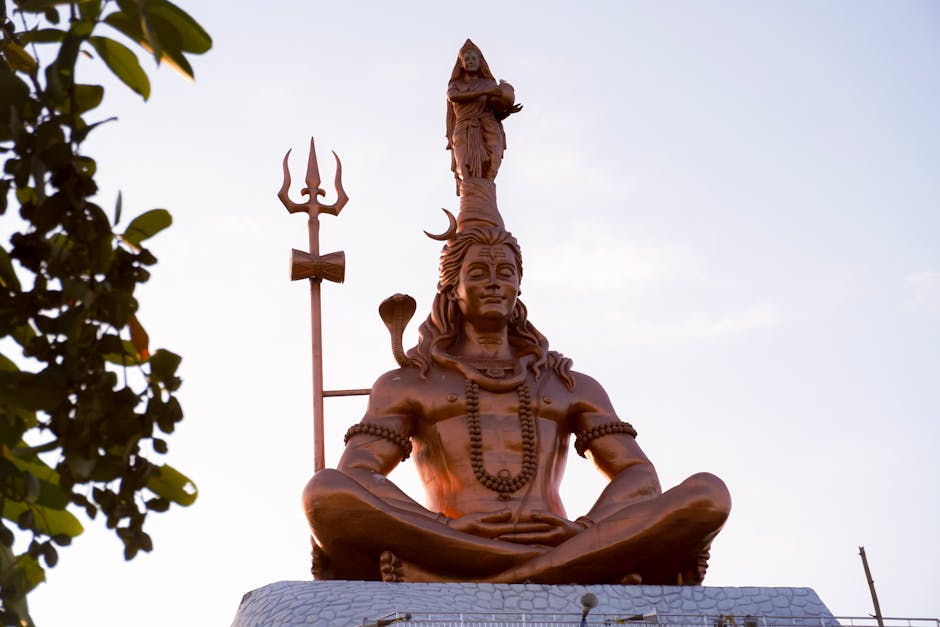
The 77-foot bronze statue of Lord Ram stands majestically against the scenic backdrop of Goa's landscape. Crafted with meticulous attention to detail, the statue portrays Lord Ram in a standing posture, holding his iconic bow, 'Kodanda,' symbolizing his readiness to uphold dharma. The intricate carvings on his attire, ornaments, and facial features reflect classical Indian artistry, conveying a sense of divine serenity and strength. The bronze material gives the statue a timeless quality, ensuring its longevity and aesthetic appeal for decades to come. The height of 77 feet was chosen to make a significant visual impact, making it one of the tallest depictions of Lord Ram outside of major pilgrimage centers.
The Surrounding Cultural Complex
The statue is the centerpiece of a larger cultural and spiritual complex designed to offer visitors a comprehensive experience. This complex includes beautifully landscaped gardens, meditation zones, and walking paths that encourage quiet contemplation. An information center provides details about the Ramayana, Lord Ram's life, and the cultural significance of the statue. Plans are also underway for a museum showcasing artifacts related to Indian mythology and art, an amphitheater for cultural performances, and facilities for pilgrims and tourists, including restrooms, food courts, and ample parking. The entire complex is designed to be accessible to people of all abilities, ensuring a welcoming environment for everyone.
Impact: Reshaping Goa’s Identity and Beyond
The unveiling of the Lord Ram statue is poised to have a far-reaching impact, influencing Goa's tourism landscape, cultural identity, economic development, and its broader role in India's cultural narrative.
Boosting Tourism and Local Economy
The most immediate and tangible impact is expected on Goa's tourism sector. The statue is anticipated to become a major draw for both domestic and international tourists, particularly those interested in spiritual and cultural travel. This new attraction diversifies Goa's tourism offerings beyond its traditional sun-and-sand image, attracting a demographic seeking deeper cultural engagement.
* Increased Footfall: Projections indicate a significant increase in tourist arrivals, leading to greater demand for accommodation, transportation, and local services.
* Economic Opportunities: The influx of visitors will create numerous employment opportunities for locals, ranging from tour guides and hospitality staff to vendors of local handicrafts and food. Small and medium-sized businesses around the site are expected to thrive.
* Infrastructure Development: To support the anticipated tourism boom, the local government is likely to invest further in infrastructure development, including road networks, public transport, and civic amenities, benefiting the wider community.
* Diversification of Tourism: The statue offers a unique blend of pilgrimage and cultural tourism, appealing to a broader audience and encouraging longer stays in the region as visitors explore both spiritual sites and traditional Goan attractions.
Cultural and Religious Significance
The statue holds immense cultural and religious significance, reinforcing Hindu cultural identity and providing a focal point for devotion.
* Pilgrimage Site: It is expected to evolve into a significant pilgrimage destination, drawing devotees from across India and the diaspora.
* Cultural Hub: The surrounding complex will serve as a vibrant cultural hub, hosting religious festivals, spiritual discourses, and educational programs related to the Ramayana and Hindu philosophy. This will foster a deeper understanding and appreciation of Indian heritage.
* Symbol of Unity: For many, Lord Ram symbolizes national unity and righteous living. The statue will reinforce these values, serving as a reminder of shared cultural heritage.
* Artistic Legacy: The statue itself is a testament to contemporary Indian sculpture and engineering, contributing to the nation's artistic legacy and inspiring future generations of artists.
Political Implications and National Narrative
The project aligns seamlessly with the current government's emphasis on cultural nationalism and the promotion of India's ancient heritage.
* Cultural Nationalism: The unveiling reinforces the government's narrative of cultural resurgence and pride in India's civilizational roots. It demonstrates a commitment to preserving and celebrating national heritage.
* Soft Power Projection: Such monumental projects contribute to India's soft power, showcasing its rich cultural diversity and spiritual depth on the global stage. It positions India as a custodian of ancient wisdom and artistic excellence.
* Electoral Resonance: For a significant segment of the electorate, projects like this resonate deeply, reflecting a government that values and promotes their cultural and religious sentiments.
Impact on Local Communities
While generally positive, the impact on local communities also requires careful management.
* Employment and Business: Beyond tourism, local communities may benefit from opportunities in maintenance, security, and ancillary services related to the statue and its complex.
* Infrastructure Strain: Increased tourism can put a strain on existing local infrastructure, necessitating careful planning for waste management, water supply, and traffic control.
* Cultural Exchange: The influx of diverse visitors can foster cultural exchange, but also requires efforts to preserve the unique local character and traditions of Goa.
* Environmental Considerations: The development and increased footfall necessitate robust environmental management plans to protect Goa's fragile ecosystem.
What Next: Future Milestones and Vision
The unveiling of the Lord Ram statue is not the culmination but rather a significant step in a larger vision for the cultural and spiritual development of the region. Several future milestones and initiatives are expected to further enhance the site's appeal and impact.
Phased Development of the Cultural Complex
The cultural complex surrounding the statue is planned for phased development to introduce more attractions and amenities over time.
* Museum and Research Center: Future plans include the establishment of a state-of-the-art museum dedicated to the Ramayana, Indian mythology, and the history of Goa's spiritual heritage. A research center could also be integrated, fostering academic study and cultural preservation.
* Amphitheater and Performance Venues: An open-air amphitheater and indoor performance spaces are envisioned to host regular cultural programs, classical music and dance concerts, spiritual discourses, and theatrical productions based on Indian epics.
* Pilgrim Amenities and Retreats: Development of dedicated pilgrim facilities, including guesthouses, meditation halls, and spiritual retreat centers, will cater to those seeking extended periods of reflection and devotion.
* Eco-Tourism Integration: Efforts will be made to integrate the complex with Goa's natural beauty, potentially through nature trails, botanical gardens featuring indigenous plants, and sustainable practices within the complex.
Marketing and Promotion Strategies
Goa Tourism Development Corporation (GTDC) and other stakeholders are expected to launch comprehensive marketing campaigns to promote the new spiritual landmark.
* Global Campaigns: Targeted campaigns will be launched in key domestic and international markets, highlighting Goa as a multifaceted destination offering both leisure and spiritual experiences.
* Digital Presence: A strong online presence, including virtual tours, interactive websites, and social media engagement, will be crucial in reaching a wider audience.
* Integrated Tourism Packages: Tour operators will likely develop integrated packages that combine visits to the Lord Ram statue with other Goan attractions, including beaches, historical sites, and local cultural experiences.
* Event Calendar: A calendar of annual festivals, special events, and spiritual gatherings centered around the statue will be developed to attract repeat visitors and provide ongoing engagement.
Maintenance and Preservation
Long-term maintenance and preservation of the bronze statue and the entire complex will be paramount to ensure its longevity and aesthetic appeal.
* Expert Conservation: A dedicated team of art conservators and engineers will be responsible for regular inspections, cleaning, and any necessary restoration work to protect the bronze from environmental elements.
* Security Measures: Robust security systems, including surveillance and trained personnel, will be in place to ensure the safety of visitors and the protection of the monument.
* Sustainable Practices: The complex will aim to incorporate sustainable practices in its operations, including waste management, water conservation, and energy efficiency, aligning with modern environmental standards.
Broader Cultural and Spiritual Outreach
The Lord Ram statue in Goa is expected to contribute to a broader cultural and spiritual outreach, extending its influence beyond the immediate site.
* Educational Programs: Collaborations with schools and universities to develop educational programs and workshops on Indian mythology, art, and values will be explored.
* Interfaith Dialogue: The site could potentially serve as a platform for interfaith dialogue and understanding, promoting universal values of peace and harmony.
* Inspiration for Future Projects: The success of this project may inspire similar cultural and spiritual initiatives in other regions, further enriching India's diverse heritage landscape.
The unveiling of the 77-foot bronze Lord Ram statue in Goa signifies more than just a new landmark; it represents a bold step in integrating India's ancient spiritual heritage with its modern identity. As the complex develops and attracts visitors, it is poised to become a vibrant center for cultural exchange, spiritual reflection, and a significant contributor to Goa's evolving narrative as a truly holistic destination.