Mumbai, India – Motilal Oswal Financial Services has issued a 'buy' recommendation for four prominent Indian defence sector stocks, projecting a potential upside of up to 35%. This optimistic outlook, highlighted in a recent report by CNBC TV18, comes as India’s defence industry experiences a significant transformation driven by government policy and strategic imperatives.
Background: India’s Strategic Shift Towards Defence Self-Reliance
India's defence sector has undergone a profound strategic shift over the past decade, moving away from its historical reliance on imports towards a robust indigenous manufacturing ecosystem. This paradigm change is primarily anchored in the 'Aatmanirbhar Bharat' (Self-Reliant India) initiative, championed by the government to bolster domestic capabilities across critical sectors, with defence being a cornerstone.
Historically, India has been one of the world's largest importers of defence equipment. This dependence posed strategic vulnerabilities and a significant drain on foreign exchange reserves. Recognising these challenges, the government initiated a series of reforms aimed at fostering domestic design, development, and production of military hardware. The defence budget has seen consistent increases, with a growing allocation specifically earmarked for capital expenditure on domestically procured equipment.
Key policy changes, such as the Defence Acquisition Procedure (DAP) 2020, prioritised Indian vendors and introduced categories like 'Buy (Indian – IDDM)' (Indigenously Designed, Developed and Manufactured) to give preference to local products. Furthermore, the introduction of Positive Indigenisation Lists (PILs) for the armed forces has progressively banned the import of hundreds of defence items, compelling manufacturers to source components and systems locally. These measures have created an unprecedented demand for domestic defence players, transforming the landscape from an import-driven market to one focused on indigenous innovation and manufacturing. The geopolitical environment, marked by regional tensions and evolving security threats, further underscores the imperative for a strong, self-reliant defence industrial base.
Motilal Oswal’s Rationale for Sector Optimism
Motilal Oswal's bullish stance on the Indian defence sector stems from a confluence of factors that signal sustained long-term growth and profitability for domestic players. The brokerage firm identifies several key tailwinds driving this optimism, positioning the sector as a compelling investment opportunity.
Foremost among these is the unprecedented order book visibility. With the government's unwavering commitment to indigenisation and a substantial defence budget, companies in the sector are securing large, multi-year contracts, providing clear revenue streams and operational stability. This robust order pipeline is expected to fuel growth for the foreseeable future, translating into strong financial performance.
Another critical factor is the enhanced execution capabilities of Indian defence companies. Years of investment in R&D, infrastructure, and skilled manpower have enabled these firms to deliver complex projects on time and within budget, meeting stringent quality standards required by the armed forces. This track record instils confidence in their ability to capitalise on future opportunities.
Government support remains a pivotal pillar of the sector's growth. Beyond policy frameworks, the government actively facilitates technology transfer, provides funding for R&D, and promotes public-private partnerships. This supportive ecosystem reduces operational risks and encourages private sector participation. Furthermore, India's ambition to become a net defence exporter presents a significant growth avenue. Indian-made defence products are gaining traction in global markets, driven by their cost-effectiveness and proven reliability, opening up new revenue streams for domestic manufacturers. Motilal Oswal anticipates that these factors, combined with a favourable valuation environment, will drive substantial returns for investors in the coming years.
The Four Recommended Stocks and Their Potential
Motilal Oswal has specifically identified four defence stocks that are poised to benefit significantly from these industry tailwinds, projecting substantial upside potential for investors. Each company operates in a critical segment of the defence ecosystem, demonstrating strong fundamentals and strategic advantages.
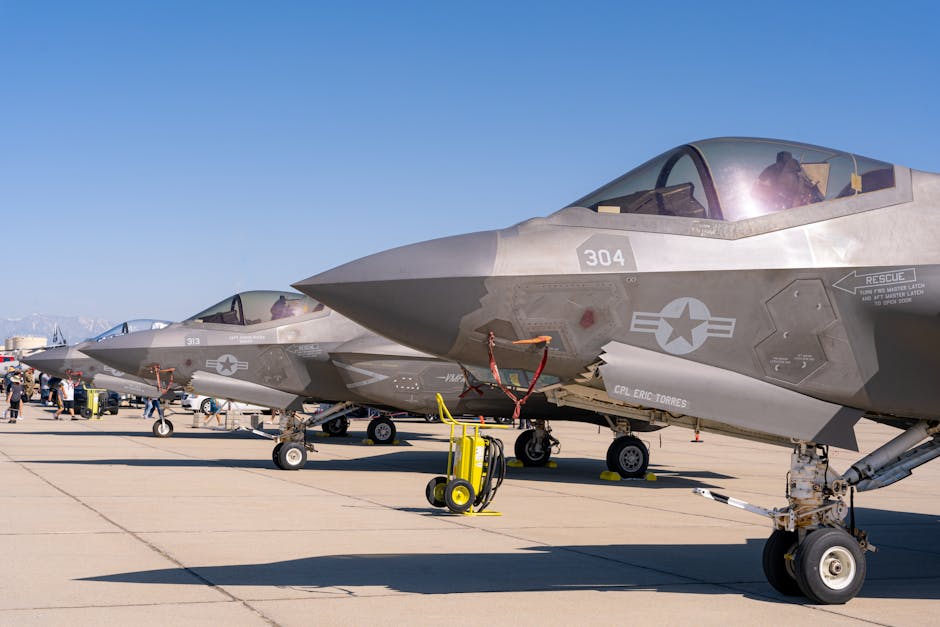
Hindustan Aeronautics Limited (HAL)
Hindustan Aeronautics Limited (HAL) is India's premier aerospace and defence company, playing a pivotal role in the design, development, manufacture, repair, overhaul, and upgrading of aircraft, helicopters, avionics, and accessories for the Indian Air Force, Indian Army, and Indian Navy. Its product portfolio includes fighter jets like the Tejas Light Combat Aircraft (LCA), various helicopter platforms, and advanced avionics systems.
Motilal Oswal's recommendation for HAL is underpinned by its dominant market position, robust order book, and strategic importance to India's air defence capabilities. The company is a primary beneficiary of the 'Make in India' initiative in aerospace, with significant orders for LCA Tejas Mark 1A, Light Utility Helicopters (LUH), and Light Combat Helicopters (LCH). Its strong R&D capabilities ensure it remains at the forefront of aerospace technology. The brokerage firm highlights HAL's consistent order inflows, healthy execution track record, and potential for expanding its export footprint as key drivers for its projected upside. HAL's integrated capabilities, from airframe manufacturing to engine MRO, provide a significant competitive advantage.
Bharat Electronics Limited (BEL)
Bharat Electronics Limited (BEL) is a leading public sector undertaking specialising in advanced electronic products and systems for defence, paramilitary, and civilian applications. Its vast product range includes radars, missile systems, electronic warfare systems, communication equipment, naval systems, and C4I (Command, Control, Communications, Computers, and Intelligence) systems. BEL is critical to the modernisation of the Indian armed forces' electronic warfare and communication infrastructure.
Motilal Oswal views BEL as a strong 'buy' due to its diversified product portfolio, technological prowess, and consistent order accretion. The company benefits from increased defence spending on electronics and advanced systems, which are integral to modern warfare. BEL's strong in-house R&D, coupled with strategic partnerships and collaborations, allows it to develop cutting-edge solutions. The brokerage firm notes BEL's robust order pipeline across various segments, its strong balance sheet, and its ability to execute complex projects as primary reasons for its optimistic outlook. BEL's focus on indigenisation of critical electronic components further solidifies its position within the domestic defence ecosystem.
Mazagon Dock Shipbuilders Limited (MDL)
Mazagon Dock Shipbuilders Limited (MDL) is one of India's foremost shipyards, primarily engaged in the construction and repair of warships and submarines for the Indian Navy. Its expertise spans a wide array of naval vessels, including destroyers, frigates, conventional submarines, and patrol vessels. MDL is a strategic asset for India's maritime security and naval power projection.
Motilal Oswal's positive assessment of MDL is based on the significant thrust on enhancing India's naval capabilities and the company's established track record in complex shipbuilding projects. The Indian Navy's ambitious modernisation plans, including the acquisition of more submarines and warships, ensure a substantial order book for MDL. The brokerage firm points to MDL's expertise in submarine construction, a highly specialised domain, and its strong execution capabilities as key competitive advantages. The long gestation period of shipbuilding projects provides excellent revenue visibility, while the increasing indigenisation content in naval vessels further boosts profitability. MDL's role in Project 75 (Scorpene-class submarines) and various destroyer/frigate projects underscores its strategic importance and future growth potential.
Garden Reach Shipbuilders & Engineers (GRSE)
Garden Reach Shipbuilders & Engineers (GRSE) is another prominent public sector shipyard, specialising in the construction of warships, patrol vessels, and auxiliary ships for the Indian Navy and Coast Guard. GRSE has a diverse portfolio, including anti-submarine warfare corvettes, frigates, landing craft utilities, and fast patrol vessels. The company also has a strong presence in engine manufacturing and general engineering.
Motilal Oswal recommends GRSE for its consistent order wins, strong operational efficiency, and diversified shipbuilding capabilities. Similar to MDL, GRSE is a direct beneficiary of the Indian Navy's expansion and modernisation drive. The brokerage firm highlights GRSE's ability to deliver a variety of naval platforms, its focus on cost-effective solutions, and its growing presence in the export market for smaller patrol vessels as key growth drivers. GRSE's strong execution capabilities and its strategic location in Kolkata further enhance its competitive standing. The company's initiatives in embracing new technologies for shipbuilding and its focus on increasing indigenisation content are expected to contribute to its sustained growth and profitability.
Key Developments Driving Sector Growth
The positive outlook for India's defence sector is not merely speculative but is firmly rooted in a series of concrete policy decisions and strategic initiatives undertaken by the government. These developments are systematically dismantling barriers to domestic production and creating a fertile ground for growth.
A significant driver is the increased capital outlay for indigenous procurement within the defence budget. The Ministry of Defence has consistently allocated a larger share of its capital expenditure budget specifically for procurement from domestic sources, ensuring a dedicated demand for Indian manufacturers. This financial commitment provides a strong incentive for companies to invest in R&D and manufacturing capabilities.
The Positive Indigenisation Lists (PILs) have been instrumental in this transformation. By periodically notifying hundreds of defence items that will be progressively banned from import, the government has created a captive market for Indian industry. These lists cover a vast array of equipment, from complex weapon systems to critical sub-components, pushing both public and private sector players to innovate and produce locally.
The Defence Acquisition Procedure (DAP) 2020 further reinforces the 'Make in India' mandate. It prioritises Indian vendors in procurement processes, simplifies procedures for domestic R&D, and promotes indigenous content in defence manufacturing. Categories like 'Buy (Indian – IDDM)' and 'Make' projects are designed to nurture domestic capabilities, including those of Micro, Small, and Medium Enterprises (MSMEs).
Beyond domestic consumption, India has set ambitious defence export targets, aiming to become a significant global player. Efforts to streamline export procedures, offer lines of credit to friendly nations, and showcase Indian defence products at international expos have begun to yield results, with exports growing significantly in recent years. This opens up a vast new market for Indian defence manufacturers.
Furthermore, the government is actively promoting Public-Private Partnerships (PPPs) in defence, encouraging collaboration between state-owned enterprises and the private sector to leverage respective strengths. There is also a strong emphasis on technological advancements and R&D, with initiatives like the Innovations for Defence Excellence (iDEX) scheme fostering innovation among startups and MSMEs. These holistic measures are collectively creating a robust and self-reliant defence industrial base.
Impact on Investors and the Broader Market
Motilal Oswal's 'buy' recommendations and the broader optimistic outlook on the defence sector carry significant implications for investors and the overall market. For both retail and institutional investors, the defence sector is emerging as a compelling theme, offering potential for substantial wealth creation in what is increasingly seen as a sunrise industry for India.
The brokerage's recommendations can act as a catalyst, drawing increased investor attention to these specific stocks and the sector at large. This heightened interest often translates into increased trading volumes and upward price momentum, as more investors seek to capitalise on the identified growth potential. Domestic Institutional Investors (DIIs), including mutual funds and insurance companies, are likely to increase their exposure to defence stocks, further solidifying market confidence. Foreign Institutional Investors (FIIs), while historically cautious, might also begin to look more closely at India's defence sector as its export capabilities grow and its strategic importance becomes more evident.
Beyond individual stock performance, a thriving defence sector contributes positively to the broader economy. It drives job creation, fosters technological advancement, and stimulates ancillary industries. The increased indigenisation reduces import bills, strengthening the nation's economic resilience. However, investors must also acknowledge the inherent risks associated with defence investing. These include potential shifts in government policy, geopolitical dynamics that can influence defence spending, and the cyclical nature of large-scale procurement. Execution risks associated with complex projects and intense competition also remain factors to consider. Despite these, the current tailwinds suggest a favourable risk-reward profile for carefully selected defence stocks, making them an attractive proposition for long-term growth-oriented portfolios.
What Next: Future Outlook and Milestones
The trajectory for India's defence sector appears set for continued expansion, driven by an unwavering national commitment to self-reliance and strategic imperatives. Several key milestones and developments are anticipated that will further shape the industry's future and potentially unlock additional value for investors.
A primary expectation is a sustained flow of large-scale order inflows for domestic defence companies. As the Positive Indigenisation Lists expand and the armed forces continue their modernisation drive, major contracts for aircraft, naval vessels, armoured vehicles, and advanced electronic systems are expected to be awarded to Indian manufacturers. These orders will provide long-term revenue visibility and drive capacity expansion.
Upcoming government tenders and policy announcements will also be critical. Further iterations of the Defence Acquisition Procedure (DAP) might introduce additional incentives for indigenisation or streamline procurement processes. Policies aimed at boosting private sector participation in high-technology areas, such as drone manufacturing, artificial intelligence for defence, and cyber warfare capabilities, are likely to emerge, creating new growth segments.
India's ambition to become a major defence exporter is gaining momentum. The government is actively pursuing defence diplomacy and showcasing Indian products at global expos. Successful export contracts for platforms like the Tejas LCA or BrahMos missiles could significantly boost the revenue and global standing of Indian defence firms. Continued focus on R&D and indigenous technology development, possibly through increased funding for DRDO and private sector innovation hubs, will be crucial for maintaining a competitive edge. The evolution of advanced manufacturing techniques and the adoption of Industry 4.0 technologies within defence production facilities will also be key indicators of progress.
Ultimately, the sector is poised to mature into a robust, self-sustaining ecosystem that not only meets India's security needs but also contributes substantially to its economic growth and global strategic influence. Analysts widely concur that the long-term prospects for India's defence industry remain exceptionally strong, positioning it as a key pillar of the nation's economic and strategic future.