Apple has officially announced its annual Worldwide Developers Conference (WWDC) for June 2026, signaling a pivotal event for the company's software ecosystem. The highly anticipated keynote is expected to unveil iOS 27, the next iteration of its mobile operating system, alongside a significant overhaul of its long-standing virtual assistant, Siri. This announcement, made from Apple Park in Cupertino, California, sets the stage for a week of deep dives into Apple's latest software advancements and developer tools.
Background: A Decade of Evolution and Anticipation
WWDC has historically served as Apple's primary platform for showcasing its operating system advancements across iPhone, iPad, Mac, Apple Watch, and Apple Vision Pro. Since its inception, the conference has been instrumental in shaping the digital landscape, introducing foundational technologies that developers leverage to create innovative applications. From the groundbreaking iPhone OS 1 in 2007 to the deep AI integrations expected in 2026, each iteration has pushed the boundaries of mobile computing.
The Trajectory of iOS
The iOS platform has undergone continuous transformation, evolving from a minimalist interface to a sophisticated, feature-rich operating system. Key milestones include the introduction of the App Store in 2008, which revolutionized software distribution, and the significant visual redesign of iOS 7 in 2013. More recently, iOS 14 introduced widgets to the Home Screen, and subsequent versions focused on privacy enhancements, multitasking capabilities for iPadOS, and deeper integration with Apple's hardware ecosystem. The past few WWDCs, particularly 2024 and 2025, have seen Apple steadily increase its investment in on-device machine learning and artificial intelligence, laying the groundwork for the more profound AI integration anticipated in iOS 27. These foundational updates included new Neural Engine APIs and enhanced system-level intelligence frameworks, preparing developers for a new era of smart applications.
Siri’s Journey: From Pioneer to Underdog
Siri, introduced with the iPhone 4S in 2011, pioneered the mainstream adoption of virtual assistants. Its initial capabilities for voice commands, scheduling, and information retrieval were revolutionary. However, over the years, Siri has faced increasing competition from more advanced conversational AI systems like Google Assistant and Amazon Alexa, which often demonstrated superior contextual understanding and broader third-party integration. Critics have long pointed to Siri's limitations in natural language processing, multi-turn conversations, and proactive intelligence. This perceived stagnation has fueled consistent speculation about a major revamp, with industry analysts frequently highlighting Apple's need to reassert its leadership in the AI assistant space. The 2026 announcement suggests Apple is finally ready to address these criticisms head-on, leveraging years of internal research and development.
The AI Imperative
The broader technology landscape has seen an explosion of AI advancements, particularly in large language models (LLMs) and generative AI. This rapid progress has intensified pressure on Apple to deliver a more competitive and intelligent user experience. Apple's long-standing commitment to user privacy, often relying on on-device processing for sensitive data, has presented unique challenges and opportunities in its AI development strategy. The 2026 WWDC is expected to demonstrate how Apple plans to reconcile powerful AI capabilities with its core privacy principles, potentially through highly optimized on-device models and secure cloud-based intelligence for less sensitive tasks.
Key Developments: Setting the Stage for 2026
Leading up to WWDC 2026, Apple has been strategically positioning itself for a significant leap in AI and user experience. Recent internal shifts, strategic acquisitions, and subtle software updates have hinted at the scale of the upcoming announcements. The focus has clearly been on building a robust foundation for more sophisticated, proactive intelligence across its entire ecosystem.
Accelerated AI Research and Development
Over the past two years, reports from industry sources and patent filings have indicated a substantial increase in Apple's AI research and development budget. The company has reportedly expanded its machine learning teams, recruiting top talent from leading AI institutions and competitors. Several smaller AI startups specializing in natural language understanding, generative models, and on-device machine learning have been quietly acquired, integrating their technologies and expertise into Apple's core platforms. These investments signify a long-term strategy to embed advanced AI capabilities deeply within iOS and other operating systems, moving beyond superficial features to core system intelligence.
Foundational Updates in iOS 25 and iOS 26
While not as headline-grabbing as a full Siri revamp, iOS 25 and iOS 26 introduced critical architectural changes that are likely prerequisites for iOS 27's anticipated features. These included:
Enhanced Neural Engine Frameworks
Apple further optimized its Neural Engine, making it more accessible and powerful for third-party developers through new Core ML APIs. This allowed for more complex on-device AI computations, reducing reliance on cloud processing and bolstering privacy. Developers gained tools to build more intelligent features directly into their applications, from advanced image recognition to personalized content recommendations.
Modular System Architecture
Reports suggested a move towards a more modular operating system architecture, particularly in how system services and AI models are updated and integrated. This modularity would allow Apple to push out specific AI model updates more frequently and seamlessly, without requiring a full OS update, ensuring Siri and other intelligent features remain cutting-edge.
Proactive Intelligence Seeds
Subtle features introduced in iOS 25 and 26 began to hint at a more proactive system. Examples included more intelligent photo categorization, predictive text enhancements that learned user habits more deeply, and context-aware suggestions within native apps like Mail and Messages. These were early indicators of Apple's shift from reactive commands to anticipating user needs.
The Siri Re-engineering Project
Internally, the Siri re-engineering project has reportedly been one of Apple's most significant and secretive undertakings for several years. Sources close to the development indicate a complete rebuild of Siri's underlying architecture, moving away from its original rule-based system towards a more flexible, neural network-driven approach. This includes a new conversational AI engine designed for natural, multi-turn dialogues and a vastly expanded knowledge graph. The goal is to make Siri not just an assistant that responds to commands but a proactive, intelligent companion that understands context, learns user preferences, and can execute complex tasks across multiple applications and services.
Impact: Reshaping User Interaction and the Developer Ecosystem
The announcements at WWDC 2026, particularly concerning iOS 27 and the Siri revamp, are poised to have a profound impact across various stakeholders, from everyday users to the global developer community and Apple's competitors. This shift represents not just new features but a fundamental change in how users interact with their devices and how developers build intelligent applications.
For Users: A More Intuitive and Personalized Experience
The most immediate and tangible impact will be felt by millions of iPhone and iPad users. iOS 27 is expected to bring a new level of personalization and intelligence, making devices feel more intuitive and responsive to individual needs.
Enhanced Proactive Intelligence
Siri's revamp, coupled with iOS 27's deeper AI integration, means the system will be better at anticipating user needs. This could manifest as automatic scheduling suggestions based on email content, personalized news digests tailored to real-time interests, or even proactive alerts about daily routines and health metrics. The goal is to minimize friction and simplify daily tasks without explicit commands.
Natural Conversational Interface
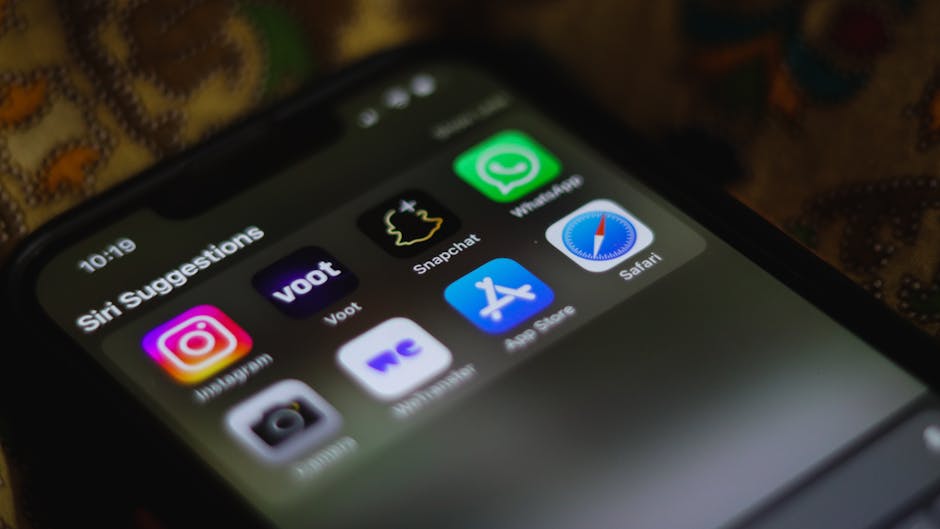
The new Siri is expected to engage in more natural, flowing conversations, understanding context across multiple turns. Users will be able to speak more casually, ask follow-up questions, and expect Siri to remember previous interactions. This could extend to complex task completion, such as planning an entire trip or managing a project through voice alone, seamlessly integrating with third-party apps.
Dynamic User Interface
iOS 27 might introduce elements of a dynamic user interface that adapts based on context, time of day, or user activity. For instance, the Home Screen or Lock Screen could intelligently surface relevant apps, widgets, or information without manual intervention, making the device feel more alive and responsive to the user's current environment.
Unwavering Privacy
Apple's commitment to privacy will remain a cornerstone. The advanced AI capabilities, particularly for sensitive personal data, are expected to leverage on-device processing extensively. This ensures that personal information used for intelligent features remains private and secure, processed directly on the user's device rather than being sent to cloud servers.
For Developers: New Frontiers and Responsibilities
The developer community will face both exciting opportunities and significant adaptation challenges. New APIs and frameworks will unlock unprecedented possibilities for creating intelligent applications.
Advanced AI/ML APIs
WWDC 2026 will likely unveil a suite of new AI/ML APIs, offering developers direct access to Siri's enhanced intelligence and iOS 27's system-wide AI capabilities. This could include powerful natural language processing tools, advanced computer vision frameworks, and even generative AI components that can be integrated into apps for content creation, intelligent search, and personalized user experiences.
SiriKit Expansion
SiriKit, Apple's framework for integrating apps with Siri, is expected to receive a massive overhaul. This expansion will allow developers to integrate their applications far more deeply, enabling Siri to perform complex, multi-step actions within third-party apps using natural language. This could open up new categories of voice-controlled productivity tools, entertainment experiences, and accessibility features.
Adaptive App Experiences
Developers will be encouraged to design apps that can adapt to iOS 27's dynamic intelligence. This means building applications that can receive and act upon system-level contextual cues, offering more personalized and proactive features to users. It will require a shift in development paradigms, focusing on predictive interactions rather than just reactive ones.
New Privacy Considerations
While Apple provides robust privacy frameworks, developers will need to be acutely aware of how their applications utilize the new AI capabilities, especially regarding data handling. Adherence to Apple's stringent privacy guidelines will be paramount, ensuring that intelligent features are implemented responsibly and transparently.
For Competitors: Heightened Pressure to Innovate
Apple's aggressive move in AI with iOS 27 and the Siri revamp will undoubtedly intensify competition in the tech industry. Rivals like Google, Amazon, and Samsung, which have invested heavily in their own AI assistants and intelligent platforms, will face renewed pressure to innovate and differentiate their offerings. This could lead to a new wave of AI advancements across the entire industry, benefiting consumers with more capable and intelligent devices and services.
For Hardware: Potential Requirements and Future Designs
The advanced AI capabilities of iOS 27 and the new Siri may necessitate even more powerful hardware. Future iPhones, iPads, and other Apple devices released in late 2026 and beyond, such as the rumored iPhone 18 or 19, are likely to feature significantly upgraded Neural Engines and more efficient processing units to handle the complex on-device AI models. This could influence future hardware design, focusing on optimized thermal management and power efficiency for sustained AI performance.
What Next: Milestones and the Future of Apple’s Ecosystem
Following the WWDC 2026 keynote, Apple's roadmap for iOS 27 and the revamped Siri will unfold through a series of predictable yet crucial milestones, culminating in a public release and setting the stage for future innovations across its vast ecosystem. This event is not merely about new features; it's about solidifying Apple's long-term vision for intelligent computing.
The Post-WWDC Release Cycle
The immediate aftermath of WWDC will see the release of the first developer betas for iOS 27 and related operating systems (iPadOS 27, watchOS 13, macOS 17, tvOS 17, and visionOS 4). This initial period allows developers to begin adapting their applications, explore new APIs, and provide critical feedback to Apple.
Developer Betas
Typically spanning from June through August, these betas are crucial for ironing out bugs, optimizing performance, and ensuring compatibility across the diverse range of Apple devices. Developers will be particularly focused on integrating the new SiriKit functionalities and leveraging the advanced AI/ML frameworks introduced in iOS 27.
Public Betas
Usually commencing a month or so after the developer betas, public beta programs allow a broader audience to test the upcoming software. This phase helps Apple gather extensive real-world usage data and identify issues that might not surface in controlled developer environments. Users will get their first hands-on experience with the revamped Siri and the new intelligent features of iOS 27.
Official Release
The final public release of iOS 27 and its companion operating systems is traditionally expected in September or October 2026, coinciding with the launch of new iPhone models, potentially the iPhone 18 or 19 lineup. This rollout will make the new AI capabilities and Siri experience available to hundreds of millions of users worldwide, marking a pivotal moment for Apple's software strategy.
Hardware Integration: The Next Generation
The advanced capabilities of iOS 27 and the new Siri are intrinsically linked to Apple's future hardware. The Neural Engine, a dedicated component for machine learning tasks within Apple's A-series and M-series chips, will play an even more critical role.
iPhone and iPad
The next generation of iPhones and iPads will likely feature significantly upgraded Neural Engines, optimized for the on-device AI processing required by iOS 27. These chips will enable faster, more efficient, and more private AI interactions, from real-time language translation to complex generative AI tasks performed directly on the device.
Apple Vision Pro and Augmented Reality
The deeper AI integration in iOS 27 will undoubtedly extend to visionOS and the Apple Vision Pro platform. Enhanced spatial computing, context-aware AR experiences, and more intuitive interaction with digital content in the real world will benefit immensely from a more intelligent Siri and system-level AI. This could include proactive information overlays, intelligent object recognition, and more natural voice control within immersive environments.
Apple Watch and Health
Siri's revamp and iOS 27's intelligence will also enhance the Apple Watch, offering more proactive health insights, personalized fitness coaching, and seamless hands-free interaction. The ability to understand complex health queries and provide nuanced advice could transform the Watch into an even more indispensable health companion.
Long-Term Vision: The Intelligent Ecosystem
WWDC 2026 is a critical step in Apple's long-term strategy to build a seamlessly integrated and intelligently connected ecosystem. The revamped Siri and iOS 27's AI capabilities are expected to be the central nervous system of this vision, connecting all Apple devices and services in a more cohesive and intuitive manner.
Cross-Device Intelligence
The intelligence introduced in iOS 27 will likely be a foundational layer that extends across macOS, iPadOS, watchOS, and visionOS. This means a truly unified experience where Siri understands context across devices, and personalized intelligence follows the user, regardless of the Apple product they are interacting with.
Smart Home and Enterprise Expansion
The enhanced Siri will also play a crucial role in Apple's smart home strategy, making HomeKit devices more responsive and intelligent. In the enterprise sector, the new AI capabilities could drive innovation in productivity tools, secure communication, and specialized industry applications, leveraging Apple's robust security and privacy frameworks.
Continued AI Evolution
The 2026 announcements are just the beginning. Apple is expected to continue its aggressive investment in AI, with future WWDCs building upon the foundations laid by iOS 27 and the new Siri. This iterative development will likely focus on even more advanced generative AI capabilities, multimodal interactions, and further personalization, ensuring Apple remains at the forefront of intelligent technology. Industry analysts anticipate that Apple's measured, privacy-focused approach to AI will eventually differentiate it in a crowded market, providing powerful intelligence that users can trust.