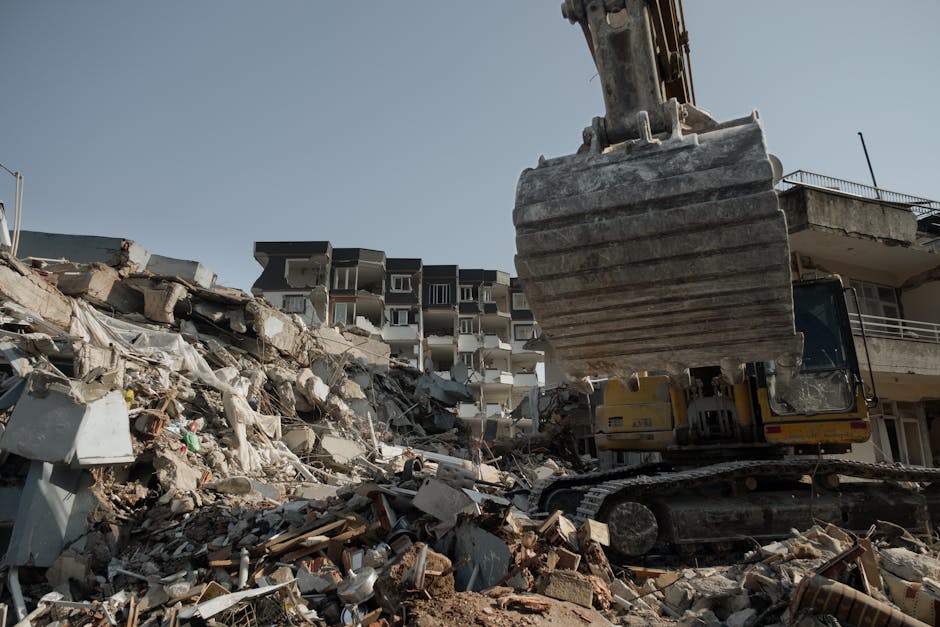
The recent devastating floods and landslides in Himachal Pradesh have served as a stark reminder of the urgent need for improved construction practices in disaster-prone areas. The statement, “Himachal could no longer afford to ignore construction practices in disaster-prone zones,” by [Insert Dharmani’s Title/Position], encapsulates the gravity of the situation. The sheer scale of the destruction highlights the catastrophic consequences of neglecting robust building codes and sustainable construction methods. This post delves into the critical issues, explores potential solutions, and emphasizes the importance of a proactive approach to safeguarding lives and infrastructure in Himachal Pradesh and other similarly vulnerable regions.
The Devastating Impact of Ignoring Disaster Preparedness
The scale of the devastation in Himachal Pradesh is truly alarming. Homes have been swept away, infrastructure crippled, and lives tragically lost. The economic impact is also significant, with widespread damage to agriculture, tourism, and other key sectors. These events aren’t isolated incidents; they’re a stark consequence of ignoring the inherent risks associated with building in vulnerable areas. The mountainous terrain, coupled with unpredictable weather patterns and increasing climate change impacts, makes Himachal Pradesh particularly susceptible to landslides, flash floods, and other natural disasters.
Understanding the Vulnerability of Himachal Pradesh
Himachal Pradesh’s unique geography contributes significantly to its vulnerability. The steep slopes, fragile geology, and dense forest cover make it prone to landslides, especially during heavy rainfall. The region also experiences intense monsoon seasons, leading to flash floods that can rapidly overwhelm even well-established settlements. These factors, compounded by the increasing frequency and intensity of extreme weather events due to climate change, necessitate a comprehensive reassessment of construction practices.
Studies have shown a direct correlation between inadequate building techniques and the severity of damage during natural disasters. For instance, [Insert statistic or example if available, e.g., “a study by [Source] found that X% of buildings destroyed in the recent floods were constructed without adhering to recommended building codes”]. This underscores the critical need for stricter enforcement of regulations and a shift towards more resilient construction methods.
Rethinking Construction Practices: A Multi-pronged Approach
Addressing the challenges requires a multi-pronged approach that encompasses policy changes, technological advancements, and community engagement. Simply enforcing existing regulations is insufficient; a paradigm shift is needed towards sustainable and disaster-resistant construction.

Strengthening Building Codes and Regulations
Existing building codes in Himachal Pradesh need a thorough review and update. These codes should incorporate the latest scientific knowledge and engineering practices to ensure that structures can withstand the forces of nature. This includes specifying appropriate materials, construction techniques, and safety measures for different geographical zones and risk levels. Furthermore, stricter enforcement mechanisms are crucial to ensure compliance.
Embracing Sustainable and Resilient Construction Techniques
The adoption of sustainable and resilient construction techniques is paramount. This involves using locally sourced, environmentally friendly materials, such as bamboo and rammed earth, which are both readily available and possess inherent strength. Iovative techniques like soil stabilization and reinforced earth structures can further enhance the stability of buildings on slopes. Furthermore, integrating green infrastructure, such as rain gardens and permeable pavements, can help manage stormwater runoff and reduce the risk of flooding.
Investing in Early Warning Systems and Disaster Preparedness
Investing in robust early warning systems is crucial for mitigating the impact of disasters. This includes establishing a network of weather monitoring stations, developing effective communication chaels, and educating communities on disaster preparedness. Regular drills and community-based disaster response plans can significantly improve the ability to react effectively during emergencies.
Promoting Community Participation and Education
Community participation is essential for successful disaster risk reduction. Educating local communities on safe construction practices, building materials, and disaster preparedness measures is crucial. Empowering communities to actively participate in the plaing and implementation of disaster risk reduction initiatives ensures ownership and sustainability. This can be achieved through workshops, training programs, and awareness campaigns.
The Role of Technology and Iovation
Technology plays a vital role in enhancing disaster resilience. Geographic Information Systems (GIS) can be utilized to create detailed risk maps, identifying areas most susceptible to landslides and floods. Remote sensing and drone technology can monitor vulnerable areas and provide early warnings of potential hazards. Furthermore, the use of advanced building materials and construction techniques can significantly enhance the structural integrity of buildings.
Long-Term Strategies for a More Resilient Himachal
The challenges facing Himachal Pradesh require a long-term, holistic approach. This includes strengthening institutional capacity, improving governance, and fostering collaboration among stakeholders. Regular reviews of building codes and disaster preparedness plans are essential to adapt to changing conditions and incorporate new knowledge and technologies. Investing in research and development to explore iovative construction methods and materials tailored to the specific needs of the region is also crucial.
Conclusion: Building a Safer Future for Himachal
The devastation in Himachal Pradesh serves as a powerful wake-up call. Ignoring the need for improved construction practices in disaster-prone zones is no longer an option. By implementing a comprehensive strategy that encompasses strengthening building codes, embracing sustainable construction techniques, investing in early warning systems, and promoting community participation, Himachal Pradesh can build a more resilient and safer future. This requires a collaborative effort involving government agencies, engineers, architects, communities, and researchers. Only through a concerted and sustained effort can the state effectively mitigate the risks associated with natural disasters and protect its precious lives and infrastructure.
The message is clear: proactive investment in disaster resilience is not an expense, but a crucial investment in the future of Himachal Pradesh and its people. The time for action is now.