On the International Space Station, NASA astronauts recently celebrated Thanksgiving, a quintessential American holiday, with a unique international twist: Russian cranberry sauce. This annual tradition of sharing a festive meal in orbit underscores the enduring spirit of human cooperation in space, bringing together diverse cultures through shared culinary experiences hundreds of miles above Earth.
Background: A Tradition Forged in Orbit and International Cooperation
Thanksgiving in space is a tradition that dates back to the early days of human spaceflight, evolving from simple, rehydrated meals aboard Apollo and Skylab missions to more elaborate feasts on the Space Shuttle and the International Space Station (ISS). This custom serves not only as a morale booster for astronauts far from home but also as a powerful symbol of maintaining cultural connections even in the most extreme environments. The ISS itself, a monumental engineering feat, stands as the pinnacle of international collaboration, a venture born from the post-Cold War desire for peaceful cooperation in space exploration.
Early Space Food Innovations and Thanksgiving Origins
The concept of eating in space has undergone a radical transformation since Yuri Gagarin's initial squeeze-tube meals. Early American astronauts on Project Mercury and Gemini missions consumed pureed foods and bite-sized cubes, often struggling with palatability and the novelty of microgravity dining. By the Apollo program, meals became more recognizable, featuring items like rehydratable turkey and gravy. The Skylab space station, America's first orbital outpost in the 1970s, offered a more spacious environment, allowing for a dedicated dining table where crews could gather. It was here that Thanksgiving celebrations began to take on a more communal aspect, with astronauts like Gerald Carr and William Pogue observing the holiday with specially prepared meals, often including traditional turkey and stuffing, albeit in freeze-dried form. These early celebrations established a precedent, demonstrating the psychological importance of familiar rituals and comfort foods for crews on long-duration missions. The act of sharing a meal, even a rehydrated one, became a vital component of crew cohesion and well-being, mitigating the isolation of space.
Genesis of the International Space Station Partnership
The International Space Station, a marvel of engineering and diplomacy, represents the culmination of decades of international space cooperation. Its genesis can be traced back to the post-Cold War era, with the United States inviting Russia, Europe, Japan, and Canada to join forces in building a permanent human outpost in low Earth orbit. This decision transformed what was initially a US-led "Space Station Freedom" into a truly global endeavor. The partnership, formalized through intergovernmental agreements, established a framework for sharing responsibilities, resources, and scientific objectives. Russia's extensive experience with long-duration spaceflight, particularly through its Mir space station, proved invaluable, complementing NASA's technological prowess and budgetary capacity. The first module, Russia's Zarya, launched in November 1998, followed by the US Unity module, marking the beginning of continuous human presence in space since November 2000. This intricate network of modules, systems, and personnel from multiple nations necessitates a deep level of trust and interdependence, making shared cultural moments like Thanksgiving particularly poignant. The ISS is not merely a scientific laboratory; it is a living, working example of how nations can transcend terrestrial differences to achieve common goals, fostering a unique "space culture" that blends traditions from around the globe.
Space Food: A Culinary and Logistical Challenge
Providing sustenance for astronauts in space is a complex undertaking, balancing nutritional requirements, logistical constraints, and psychological needs. Space food must be lightweight, compact, shelf-stable for extended periods, and easy to prepare and consume in microgravity. Early space meals were often bland and monotonous, leading to "menu fatigue." Over the decades, space agencies have invested heavily in developing a diverse and palatable menu, employing techniques such as freeze-drying, thermodestabilization (retort pouches), and irradiation. Nutritional science plays a critical role, ensuring astronauts receive adequate calories, vitamins, and minerals to counteract the physiological effects of microgravity, such as bone density loss and muscle atrophy. Beyond mere sustenance, food serves a vital psychological function. Familiar foods from home provide comfort, nostalgia, and a sense of normalcy in an otherwise alien environment. The menu on the ISS typically rotates every eight days, offering a variety of options from all partner nations. Astronauts can also request "bonus" items, often personal favorites, which are launched on resupply missions. The logistics of delivering food are immense, with cargo spacecraft like SpaceX's Dragon, Northrop Grumman's Cygnus, and Russia's Progress ferrying provisions to the station. Each item is meticulously cataloged, ensuring a balanced diet and tracking consumption.

The Cranberry Sauce Conundrum and Russian Contribution
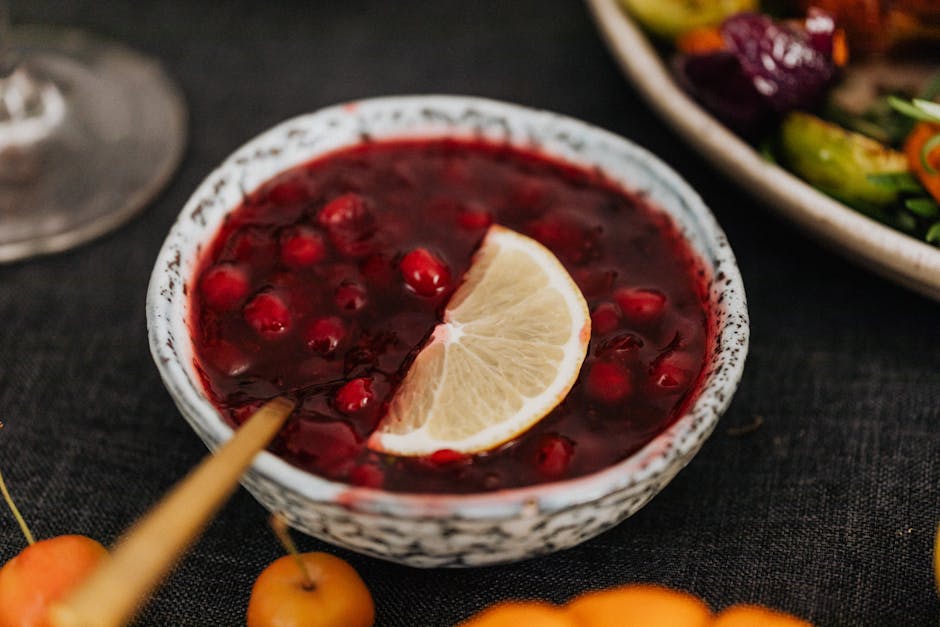
Cranberry sauce holds a cherished place on the American Thanksgiving table, its tart sweetness a traditional counterpoint to the rich flavors of turkey and stuffing. For astronauts celebrating this holiday in orbit, sourcing this specific condiment can sometimes present a unique logistical challenge. While NASA's own food lab prepares many traditional American dishes for space consumption, including rehydratable turkey and various side dishes, certain items might be more readily available or culturally appropriate from other partner nations. In this context, Russian cranberry sauce has emerged as a delightful and practical solution. Russia, with its own rich tradition of preserving fruits, produces a variety of fruit purees and sauces for its cosmonauts, often packaged in convenient squeeze tubes or retort pouches. These items are part of the standard Russian food complement on the ISS and are specifically designed for long shelf-life and easy consumption in microgravity. The inclusion of Russian cranberry sauce in an American Thanksgiving meal is a testament to the integrated nature of the ISS food system and the informal sharing of resources among crew members. It highlights how the distinct culinary offerings of each partner nation contribute to a more diverse and interesting menu for everyone on board. This particular item, often a slightly sweeter or more jam-like consistency than its American counterpart, offers a unique flavor profile that adds an unexpected international flair to the traditional holiday feast. It embodies the spirit of cultural exchange, where a staple of one nation's cuisine seamlessly blends into the celebration of another's.
US-Russian Space Cooperation: A Deep-Rooted History
The partnership between the United States and Russia in space exploration is one of the most enduring and remarkable examples of international collaboration, particularly given the historical context of the Cold War space race. While initially fierce competitors, both nations recognized the immense benefits of cooperation, especially for complex and costly endeavors like a permanent space station. The Apollo-Soyuz Test Project (ASTP) in 1975 was a groundbreaking handshake in space, symbolizing a thaw in superpower relations and demonstrating the feasibility of docking American and Soviet spacecraft. This paved the way for more extensive collaboration in the post-Cold War era. The Shuttle-Mir program in the 1990s saw American astronauts living and working aboard Russia's Mir space station, and Russian cosmonauts flying on US Space Shuttles. This period provided invaluable experience in long-duration spaceflight, international crew integration, and the logistical challenges of operating a complex orbital outpost. The ISS, however, represents the pinnacle of this partnership. Both nations contribute essential modules, propulsion, life support systems, and crew transport capabilities (Soyuz and now Crew Dragon). Despite geopolitical tensions on Earth, the cooperation in space has largely remained steadfast, driven by mutual scientific interest, shared operational necessities, and the recognition that the ISS is too vital and too complex to operate without both partners. This deep history of interdependence ensures that even cultural celebrations like Thanksgiving become shared moments, reinforcing the bonds forged in the vacuum of space.
Key Developments: Celebrating Traditions in Orbit
Recent Thanksgiving celebrations on the International Space Station continue to highlight the unique blend of tradition and international cooperation. Each year, NASA astronauts make a concerted effort to observe the holiday, transforming a standard ISS meal into a festive occasion. These celebrations are not merely about food; they are about fostering camaraderie, maintaining psychological well-being, and demonstrating the unifying power of shared human experiences, even in microgravity. The role of Russian contributions, particularly items like cranberry sauce, has become an integral and celebrated part of these orbital feasts.
The 2023 Thanksgiving Menu: A Global Feast
For the 2023 Thanksgiving celebration, the Expedition 70 crew on the ISS, comprising astronauts from the United States, Russia, Denmark, and Japan, gathered to share a holiday meal. The menu, meticulously planned by NASA's food scientists and supplemented by international partners, featured many traditional American Thanksgiving dishes. Astronauts enjoyed rehydratable turkey, a staple for orbital holiday meals, prepared to mimic the taste and texture of roasted poultry. This was often accompanied by cornbread dressing (stuffing), also in rehydratable form, providing a familiar savory component. Green beans and mashed potatoes, both carefully processed for space, rounded out the main course. The pièce de résistance, adding a distinctive international flavor, was the Russian cranberry sauce. This sauce, often fruit puree in a tube or a sealed pouch, provided the traditional tart-sweet contrast that Thanksgiving celebrants on Earth enjoy. Dessert often included items like rehydratable apple cobbler or individually packaged cookies. The meal preparation involved heating the rehydratable pouches in the station's food warmer, then carefully cutting them open to consume the contents with spoons or forks, often attached to a tray with Velcro to prevent them from floating away. The crew typically gathered in the station's galley area, creating a communal dining experience that, despite the unique environment, mirrored the spirit of family gatherings on Earth. Photos and videos released by NASA showed astronauts smiling, sharing stories, and expressing gratitude, underscoring the importance of such traditions for morale and crew cohesion during their months-long missions.
Cranberry Sauce: A Culinary Ambassador
The inclusion of Russian cranberry sauce in the American Thanksgiving meal on the ISS is more than a mere logistical convenience; it serves as a subtle yet powerful symbol of cultural exchange and culinary diplomacy. While NASA's food system is robust, Roscosmos provides a complementary range of food items, including various fruit preserves and sauces that are part of the standard Russian menu. These items are specifically formulated for space travel, ensuring long shelf-life, appropriate consistency for microgravity, and nutritional value. The Russian cranberry sauce, often a slightly sweeter, jam-like consistency compared to its more tart American counterpart, offers a unique flavor profile that has been embraced by American astronauts. It's not uncommon for crew members from different nations to share their national dishes, creating a diverse culinary landscape in orbit. Astronauts have often recounted their experiences with these international food exchanges, noting how such moments foster understanding and camaraderie. The Russian cranberry sauce, therefore, transcends its role as a simple condiment; it becomes a culinary ambassador, bridging cultural divides and adding an unexpected, yet welcome, layer of international flavor to a deeply American tradition. This shared enjoyment of food, irrespective of its national origin, reinforces the idea that in space, humanity's commonalities often outweigh its differences.
Microgravity Dining Etiquette and Innovations
Dining in microgravity presents a unique set of challenges and has led to the development of specialized tools and "etiquette." Food items must be contained to prevent them from floating away, which could interfere with sensitive equipment or create unsanitary conditions. Most foods are packaged in rehydratable pouches, squeeze tubes, or retort pouches that can be opened with scissors. Drinks are consumed from specially designed "straw bags" or cups with lids to prevent spills. While there's no formal "table" in the terrestrial sense, crews often gather in a common module, such as the US Unity module or the Russian Zvezda module, where they can secure themselves to handholds or foot loops. Meals are typically consumed using standard utensils, though they are often tethered or magnetic to prevent loss. The ISS also features a food warmer to heat meals to a more palatable temperature. Over the years, innovations have aimed to make the dining experience more enjoyable. The introduction of fresh produce grown on the station, such as lettuce from the Veggie system or peppers from the Advanced Plant Habitat, offers a much-needed sensory boost, providing fresh textures and flavors that rehydrated foods cannot. These small innovations, combined with the intentional effort to celebrate cultural holidays like Thanksgiving, significantly contribute to the psychological well-being of astronauts, making their long stays in orbit more bearable and even enjoyable. The shared act of preparing and consuming a meal, even with its microgravity quirks, becomes a vital ritual that strengthens crew bonds.
Technological Advancements in Space Food Production
The science of space food is continuously evolving, driven by the demands of longer missions and the desire for improved crew health and morale. Beyond the traditional rehydratable and thermodestabilized foods, several key technological advancements are shaping the future of space cuisine. One significant area is the development of advanced packaging materials that offer extended shelf-life and better protection against radiation and oxygen degradation. These materials are crucial for deep-space missions where resupply is impossible for years. Another exciting development is the in-situ production of food. Systems like NASA's Veggie and Advanced Plant Habitat allow astronauts to grow fresh produce like lettuce, radishes, and peppers directly on the ISS. This not only provides fresh food but also offers psychological benefits through gardening. Future concepts include sophisticated hydroponic or aeroponic systems capable of growing a wider variety of crops, potentially even staple foods. Research into 3D food printing is also underway, offering the possibility of customizing meals on demand from nutrient cartridges, which could reduce waste and provide personalized nutrition. Furthermore, scientists are exploring methods for recycling waste and even synthesizing food from basic elements, though these are more distant prospects. These advancements are critical for future missions to the Moon and Mars, where crews will be entirely self-sufficient for extended periods. The goal is to move beyond mere sustenance to provide a diverse, nutritious, and appealing diet that supports both the physical and mental health of astronauts on multi-year journeys far from Earth.

Cultural Exchange and Integration on the ISS
The International Space Station is not just a scientific outpost; it is a melting pot of cultures, where astronauts and cosmonauts from diverse backgrounds live and work together in close quarters. This environment naturally fosters a rich cultural exchange that extends beyond professional duties into daily life, including holiday celebrations. While American astronauts celebrate Thanksgiving, Russian cosmonauts observe holidays like New Year's and Cosmonautics Day with their own traditions and special foods. Japanese astronauts often share traditional Japanese dishes, and European astronauts introduce flavors from their respective countries. These informal exchanges are vital for building strong interpersonal bonds and mutual understanding among crew members who must rely on each other for survival. Sharing food is a particularly powerful way to bridge cultural gaps. A Japanese astronaut might introduce their crewmates to ramen, while a Russian cosmonaut might offer borscht. An American astronaut might share a taste of their Thanksgiving turkey. These moments of shared meals and cultural traditions help to create a unique "space culture" that transcends national identities. They provide opportunities for crew members to learn about each other's backgrounds, appreciate different customs, and find common ground. This integration of cultures not only enriches the daily lives of the astronauts but also serves as a microcosm of global cooperation, demonstrating how diverse groups can live and work harmoniously toward a common goal, making the ISS a truly international home away from home.
Impact: Unifying Humanity Above Earth
The celebration of Thanksgiving on the International Space Station, particularly with the integration of items like Russian cranberry sauce, carries significant impact on multiple levels. It profoundly affects the psychological and physical well-being of the astronauts, serves as a potent symbol of international diplomacy, and inspires a global audience. These orbital traditions reinforce the idea that even in the vast emptiness of space, humanity's shared values and ability to cooperate can thrive, fostering connections that transcend terrestrial borders and political differences.
Psychological Resilience and Morale in Orbit
For astronauts enduring months away from Earth, family, and familiar comforts, maintaining psychological resilience is paramount. Thanksgiving celebrations, complete with traditional foods and the act of sharing a meal, play a crucial role in boosting morale. These rituals provide a vital connection to home, reminding astronauts of their roots and the people they love. The familiarity of the holiday, even in a microgravity environment, offers a sense of normalcy and stability amidst the isolation and demanding schedule of spaceflight. The act of gathering as a crew, preparing and sharing a special meal, fosters a strong sense of community and camaraderie. It allows crew members to momentarily step away from their scientific experiments and maintenance tasks to engage in a shared human experience. This social interaction is critical for preventing "menu fatigue" and combating the psychological stressors of long-duration missions, such as confinement, monotony, and separation from loved ones. Anecdotal evidence from astronauts consistently highlights the importance of such celebrations for their mental health, describing them as moments of joy, reflection, and gratitude that help them cope with the challenges of living in space. The shared laughter, conversations, and the simple pleasure of a festive meal contribute significantly to crew cohesion and overall well-being, proving that even in the most technologically advanced human endeavor, basic human needs for connection and tradition remain fundamental.
Geopolitical Symbolism of Shared Meals
Beyond the immediate crew, Thanksgiving celebrations on the ISS, especially those incorporating elements from partner nations like Russian cranberry sauce, carry profound geopolitical symbolism. In an era often marked by terrestrial conflicts and political tensions, the sight of American astronauts and Russian cosmonauts sharing a meal and celebrating a holiday together sends a powerful message of peaceful cooperation. It demonstrates that despite differences on Earth, nations can set aside their disagreements for the sake of scientific advancement and the common good of humanity in space. This cooperation is not merely symbolic; it is operational. The ISS relies entirely on the integrated efforts of its international partners for its continued existence and successful operation. The shared meal becomes a visible manifestation of this interdependence and mutual respect. It serves as a potent diplomatic tool, showcasing the ability of nations to collaborate on complex projects that transcend national boundaries. This image of unity in space can inspire hope and foster goodwill on Earth, reminding the global audience of humanity's potential for collaboration. It underscores the idea that space exploration is a global endeavor, benefiting all of humankind, and that the bonds forged in orbit can sometimes be stronger than the divisions on the ground. The simple act of sharing a meal becomes a powerful statement about diplomacy, partnership, and the shared future of humanity in space.
Space Agencies and Industry Development
The continuous operation of the ISS and its cultural traditions also has a significant impact on the space agencies and the broader space industry. For NASA and Roscosmos, these celebrations reinforce their decades-long partnership, showcasing the practical and symbolic benefits of their collaboration. The need to provide diverse, culturally appropriate, and palatable food for international crews drives innovation within space agency food labs. This leads to ongoing research and development in food science, including improved preservation techniques, packaging, and menu diversity. The demand for specialized space food has also spurred the growth of a niche industry, with companies developing and manufacturing food items specifically for spaceflight. These companies must meet stringent safety, nutritional, and logistical requirements, pushing the boundaries of food technology. Furthermore, the public interest generated by these celebrations helps maintain support for space exploration programs. Media coverage of astronauts celebrating holidays in space, particularly with international elements, humanizes the endeavor and makes it relatable to a wider audience. This public engagement is crucial for securing funding and political will for future missions. The cultural aspects of spaceflight, therefore, are not merely ancillary; they are integral to the sustainability and success of space programs, influencing technological development, fostering international relations, and securing public endorsement for humanity's journey beyond Earth.
Global Audience and Inspiration
The celebration of Thanksgiving in space, especially when shared with international crew members and unique international elements, resonates deeply with a global audience. Through social media, live feeds, and news reports, people worldwide get a glimpse into the daily lives of astronauts, making the abstract concept of space exploration more tangible and human. This visibility inspires millions, particularly younger generations, to pursue careers in STEM (Science, Technology, Engineering, and Mathematics) fields. Seeing astronauts from different backgrounds collaborating, sharing meals, and celebrating traditions demonstrates that space is a place for everyone, fostering a sense of global community and shared purpose. The images of astronauts floating around a "dinner table" with a mix of national dishes highlight the extraordinary nature of their environment while simultaneously emphasizing their shared humanity. It reinforces the idea that space exploration is a grand human endeavor, transcending national boundaries and uniting people under a common goal. For many, it's a powerful reminder of what humanity can achieve when it works together, setting aside differences for a greater cause. This public engagement is not just about entertainment; it's about education and inspiration, cultivating a sense of wonder and encouraging critical thinking about our place in the universe. The simple act of celebrating Thanksgiving in orbit, enriched by international contributions, becomes a powerful narrative that connects people across continents and cultures, demonstrating the enduring appeal and unifying potential of space exploration.
What Next: Evolving Traditions for Future Frontiers
As humanity sets its sights on returning to the Moon and eventually venturing to Mars, the traditions established on the International Space Station, including holiday celebrations like Thanksgiving with international flair, will undoubtedly evolve. These future endeavors will necessitate new approaches to food logistics, crew well-being, and international collaboration, ensuring that cultural touchstones continue to provide comfort and cohesion on ever-longer and more distant missions. The experience gained from the ISS will be invaluable in shaping how humanity lives and celebrates beyond low Earth orbit.
Thanksgiving on Lunar Gateway and Beyond
The future of space exploration envisions permanent outposts on the Moon and orbital platforms like the Lunar Gateway, serving as staging points for deeper space missions. These environments will present new challenges for celebrating traditions like Thanksgiving. On the Lunar Gateway, a smaller habitat orbiting the Moon, crews will likely be smaller and missions shorter than those to Mars, but longer than typical ISS rotations. Food systems will need to be more self-sufficient, with fewer resupply opportunities from Earth. Thanksgiving meals on Gateway might feature more shelf-stable, calorie-dense foods, and perhaps an increased reliance on fresh produce grown in lunar greenhouses. The symbolism of celebrating Thanksgiving while orbiting the Moon, a starkly different backdrop than Earth, will be profound, emphasizing humanity's expanded presence in the solar system. For potential lunar surface bases, the concept of a "Thanksgiving dinner" could involve a mix of pre-packaged foods and items grown in lunar soil or hydroponic systems. The very act of celebrating a terrestrial holiday on another celestial body will underscore the incredible progress of human exploration and adaptation. These celebrations will continue to be vital for crew morale and psychological well-being, providing a sense of normalcy and connection to home, even millions of miles away.
Evolution of International Space Cooperation
The future of international space cooperation, while building on the legacy of the ISS, faces both opportunities and challenges. The Artemis Accords, a US-led international agreement outlining principles for peaceful and sustainable lunar exploration, represent a new framework for collaboration, drawing in new partners beyond the traditional ISS nations. This expansion could lead to even more diverse cultural exchanges and shared holiday traditions on future lunar missions. However, geopolitical tensions on Earth could still impact space partnerships, as seen with recent discussions surrounding the future of the ISS itself. Despite these challenges, the operational necessity and mutual benefits of cooperation in space often prevail. The complexity and cost of lunar and Martian missions demand international collaboration, making shared endeavors not just desirable but essential. Future missions will likely involve a more distributed model of contributions, with each nation bringing its unique expertise and resources to the table. This evolving landscape of cooperation will ensure that celebrations like Thanksgiving continue to be international affairs, reflecting the global nature of humanity's push further into the cosmos. The spirit of shared meals and cultural exchange will remain a cornerstone of these partnerships, fostering understanding and unity among diverse crews.
Innovations in Space Cuisine for Deep Space
For multi-year missions to Mars, the current ISS food system will be insufficient. Resupply missions will be impossible, necessitating a completely closed-loop food system. Innovations in space cuisine will focus heavily on long-term sustainability, nutritional completeness, and psychological satisfaction. This includes developing foods with extremely long shelf-lives (5+ years) that retain flavor and nutrients. Advanced food production systems, such as highly efficient hydroponics, aeroponics, or even bio-regenerative life support systems that integrate plant growth with waste recycling, will become critical. Astronauts may become "space farmers," actively participating in growing a significant portion of their diet. Research is also exploring personalized nutrition, where diets are tailored to an individual astronaut's genetic profile and metabolic needs to optimize health and performance. The use of 3D food printers could allow for on-demand meal customization, reducing bulk food storage and waste. Furthermore, psychological aspects of food will gain even greater importance. Variety will be key to preventing menu fatigue, and the ability to prepare fresh, appealing meals will be crucial for morale during extreme isolation. The "Thanksgiving dinner" on a Mars transit vehicle might involve a mix of freeze-dried traditional items, fresh produce grown onboard, and perhaps even novel dishes created from synthesized ingredients, all designed to evoke a sense of home and celebration.
Autonomous Food Systems for Mars Missions
Missions to Mars, potentially lasting several years, will require unprecedented levels of autonomy, especially concerning food. Unlike the ISS, where resupply missions are frequent, a Mars crew will be entirely self-sufficient for the duration of their journey and stay. This necessitates the development of highly reliable and efficient autonomous food systems. These systems will likely integrate several technologies: advanced plant growth facilities for fresh produce, automated food preparation units, and sophisticated waste recycling systems to minimize resource consumption. The goal is to provide a diverse, nutritious, and psychologically comforting diet with minimal crew intervention. Imagine an automated greenhouse that monitors plant health, waters crops, and harvests them when ripe. Or a smart pantry that tracks inventory, suggests meal plans, and even 3D prints specific dishes based on available ingredients and crew preferences. The logistical challenge of packing enough food for a multi-year mission is immense, making in-situ resource utilization and food production absolutely essential. For a Thanksgiving celebration on Mars, astronauts might combine shelf-stable traditional items brought from Earth with fresh vegetables and fruits grown in their Martian habitat. The ability to grow and prepare a fresh, celebratory meal on the Red Planet would not only be a scientific triumph but also a profound psychological boost, symbolizing humanity's enduring capacity to create home wherever it goes. These autonomous systems will be critical for ensuring that future deep-space explorers can maintain their traditions and well-being, no matter how far they venture from Earth.