NASA has officially set the dates for two upcoming spacewalks, designated Extravehicular Activities (EVAs) 94 and 95, outside the International Space Station (ISS). These crucial operations, planned for late February and early March 2024, will involve Expedition 70 crew members undertaking vital maintenance, hardware upgrades, and scientific experiment deployments to ensure the continued robust operation of the orbiting laboratory.
Background: A Legacy of Orbital Maintenance
Spacewalks, or EVAs, are among the most complex and hazardous operations in human spaceflight, essential for the assembly, maintenance, and upgrade of orbital infrastructure like the International Space Station. Since its inception, the ISS has relied heavily on the ability of astronauts to venture outside its protective hull, performing tasks that cannot be accomplished by robotic arms or internal systems. These missions range from installing massive solar array wings and complex laboratory modules to replacing aging components, repairing critical systems, and deploying external scientific instruments.
The Genesis of Spacewalks and the ISS
The concept of spacewalks dates back to the early days of space exploration, with Alexei Leonov performing the first EVA in 1965. For the ISS, spacewalks have been integral since the station's first module launched in 1998. The sheer scale and modular design of the ISS necessitated a hands-on approach for its construction, involving hundreds of hours of EVA time from astronauts of various nationalities. Each spacewalk builds upon a rich legacy of engineering innovation, meticulous planning, and rigorous astronaut training.
Evolution of EVA Technology and Procedures
Over decades, both the Extravehicular Mobility Unit (EMU) — the specialized spacesuit used by U.S. and partner astronauts — and EVA procedures have evolved significantly. Modern EMUs are sophisticated, self-contained life support systems, providing oxygen, temperature control, communications, and protection from the harsh vacuum and extreme temperatures of space. Tools have become more specialized, and techniques refined through countless hours of underwater training in facilities like NASA's Neutral Buoyancy Laboratory (NBL) in Houston, simulating microgravity conditions. This continuous refinement ensures maximum safety and efficiency for astronauts operating in the unforgiving environment of low Earth orbit.
The International Partnership’s Role
The ISS itself is a testament to international collaboration, involving space agencies from the United States (NASA), Russia (Roscosmos), Europe (ESA), Japan (JAXA), and Canada (CSA). Spacewalks, too, often reflect this partnership, with crew members from different nations working side-by-side. While the U.S. segment spacewalks typically use NASA's EMUs, Russian spacewalks utilize Orlan suits. The coordination between mission control centers in Houston, Moscow, and other partner facilities is paramount, underscoring the global nature of human space exploration. These upcoming EVAs 94 and 95 continue this tradition of critical, collaborative orbital maintenance.
Key Developments: Objectives for EVAs 94 and 95
The two newly scheduled spacewalks are pivotal for addressing specific operational needs and enhancing the scientific capabilities of the International Space Station. Each EVA is meticulously planned, with detailed objectives assigned to the participating astronauts, building upon previous maintenance efforts and preparing the station for future research and extended operations.
EVA 94: External Camera System and Science Platform Deployment
Scheduled for late February, EVA 94 will primarily focus on two critical tasks. The first objective involves replacing a faulty external camera system located on the port truss segment of the station. This camera is essential for monitoring external conditions, supporting robotic arm operations with the Canadarm2, and assisting with docking procedures for visiting spacecraft. The existing unit has experienced intermittent performance issues, prompting its replacement to ensure continuous visual situational awareness for mission control and the crew. Astronauts will carefully remove the old camera unit, disconnect its power and data cables, and install a new, fully functional replacement, ensuring secure connections and proper alignment.
The second major task for EVA 94 will be the deployment of a new materials science experiment platform. This platform, designed to expose various materials to the harsh space environment for extended periods, will be mounted onto an existing external facility. Researchers on Earth will then study the effects of microgravity, extreme temperature fluctuations, and solar and cosmic radiation on these materials, providing invaluable data for designing future spacecraft and understanding material degradation in space. The astronauts will need to carefully maneuver the platform into position, secure it with specialized fasteners, and connect its power and data interfaces to the station's systems.
EVA 95: Power System Upgrade and Thermal Control Inspection
Following closely in early March, EVA 95 will tackle equally vital tasks, centered on power infrastructure and thermal management. The primary objective is to continue the ongoing upgrade of the station's electrical power system. This spacewalk will involve the installation of a new power switching unit (PSU) near the S6 truss segment. The PSU is a critical component responsible for distributing power efficiently from the recently installed iROSA (International Space Station Roll-Out Solar Array) units to the station's various systems. Its installation will enhance the station's overall power redundancy and efficiency, supporting more demanding scientific payloads and future operational needs. The task requires precise handling and connection of numerous power cables in a tightly constrained area.
Additionally, EVA 95 will include a detailed inspection of the external thermal control system's ammonia lines. The ISS uses an ammonia-based active thermal control system to dissipate heat generated by internal equipment and experiments. Astronauts will visually inspect specific sections of the ammonia lines for any signs of micro-meteoroid impacts, wear, or potential leaks. While no immediate issues have been identified, these routine inspections are crucial for proactive maintenance, ensuring the integrity and efficiency of the station's cooling system, which is vital for the survival of both crew and equipment. Any anomalies observed would be documented for further analysis by ground teams.
Astronauts and Preparation
These spacewalks will be performed by Expedition 70 Flight Engineers, likely involving experienced NASA astronauts. While specific assignments are typically announced closer to the dates, the crew has been undergoing extensive training for these particular tasks. This preparation includes multiple sessions in the NBL, where astronauts practice every step of their spacewalks in a full-scale underwater mockup of the ISS. They also review detailed procedures, tool requirements, and contingency plans with ground control teams. This rigorous training ensures that every movement, every tool use, and every communication is practiced to perfection, minimizing risks in the unforgiving vacuum of space.
Ground Control’s Indispensable Role
Throughout the planning and execution of EVAs 94 and 95, mission control centers, particularly NASA's Johnson Space Center in Houston, play an indispensable role. Teams of flight controllers, engineers, and medical personnel monitor every aspect of the spacewalk, from astronaut vital signs and suit performance to tool management and task progress. They provide real-time guidance, problem-solving support, and crucial safety oversight, ensuring that the astronauts can focus on their tasks while maintaining a continuous link to Earth. The synergy between the crew in orbit and the ground teams is a hallmark of successful spacewalk operations.
Impact: Extending the Life and Capabilities of the ISS
The successful execution of EVAs 94 and 95 will have far-reaching impacts on the International Space Station, its crew, the global scientific community, and the broader future of human space exploration. These spacewalks are not merely maintenance chores; they are critical investments in the station's operational longevity, scientific output, and its role as a precursor for future deep-space missions.
Enhancing ISS Operations and Longevity
By addressing critical hardware replacements and power system upgrades, EVAs 94 and 95 directly contribute to the continued robust operation of the ISS. The replacement of the external camera system restores vital visual awareness, crucial for robotic operations, external inspections, and the safe docking of resupply and crew vehicles. A fully functional camera system enhances crew safety and operational efficiency. The installation of the new power switching unit (PSU) is a significant step in optimizing the station's electrical grid, ensuring that the recently installed iROSA solar arrays can deliver their full power potential. This enhanced power capability is essential for running more experiments, supporting more advanced equipment, and providing redundancy, thereby extending the station's operational life well into the next decade. Proactive thermal control inspections, while not an immediate repair, safeguard the station's cooling systems, preventing potential overheating issues that could cripple critical equipment.
Impact on Crew Safety and Workload
Spacewalks are physically demanding and inherently risky. The astronauts undertaking EVAs 94 and 95 will endure hours of strenuous work in their bulky spacesuits, managing tools, cables, and large hardware components. While challenging, the successful completion of these tasks ultimately improves the safety and operational environment for the entire crew. Reliable external cameras, a robust power system, and a healthy thermal control system mean fewer unexpected failures, less emergency troubleshooting, and a more stable platform for daily life and scientific work. The rigorous training involved also ensures the crew is prepared for any contingency, minimizing risks during the actual spacewalks.
Benefits for the Scientific Community
The deployment of a new materials science experiment platform during EVA 94 directly benefits researchers worldwide. By exposing various materials to the unique microgravity and radiation environment of space, scientists gain invaluable data on material degradation, performance, and long-term stability. This research has applications far beyond the ISS, informing the design of future spacecraft, satellites, and even terrestrial technologies. The enhanced power capabilities resulting from EVA 95 also mean that the station can host more power-intensive experiments, expanding the range and complexity of scientific investigations that can be conducted in orbit, from biotechnology and fluid physics to Earth observation and fundamental physics.
Technological Advancement and Aerospace Industry
Each spacewalk drives innovation in technology and procedures. The development of new tools, improved spacesuit components, and refined operational techniques for EVAs 94 and 95 contributes to a broader pool of knowledge and expertise within the aerospace industry. Companies involved in manufacturing EVA hardware, developing training simulations, and providing mission support all benefit from these ongoing operations, fostering technological growth and maintaining a skilled workforce. These advancements are transferable to other space missions, including future lunar and Martian endeavors.
Public Engagement and Inspiration
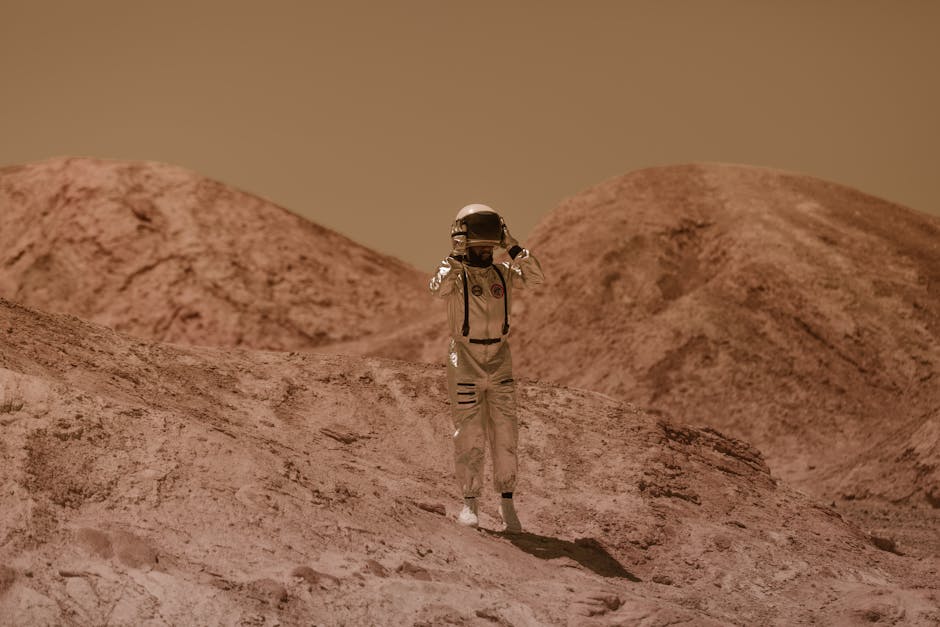
Spacewalks consistently capture the public's imagination, offering a tangible glimpse into the extraordinary endeavors of human spaceflight. Images and videos of astronauts working outside the ISS inspire millions globally, particularly younger generations, to pursue careers in science, technology, engineering, and mathematics (STEM). EVAs 94 and 95 will serve as powerful reminders of humanity's continuous quest for exploration, innovation, and scientific discovery, reinforcing the value of space programs.
Reinforcing International Collaboration
As a joint venture, the ISS thrives on international cooperation. While these specific EVAs might involve primarily NASA astronauts, the benefits extend to all partner nations. The enhanced capabilities and extended lifespan of the station allow all partners to continue their scientific research and technological demonstrations in orbit. The planning, coordination, and execution of such complex operations further solidify the diplomatic ties and shared goals among the world's leading spacefaring nations, demonstrating a model for peaceful international collaboration.
What Next: Future Milestones and Beyond the ISS
The successful completion of EVAs 94 and 95 marks significant milestones for the International Space Station, yet they are part of a continuous cycle of maintenance, upgrades, and scientific endeavors. These spacewalks not only secure the station's immediate future but also lay groundwork for forthcoming missions and the long-term trajectory of human space exploration.
Immediate Post-Spacewalk Activities
Following the conclusion of EVAs 94 and 95, the immediate focus will shift to post-spacewalk procedures. Astronauts will undergo thorough debriefings with ground control, providing detailed accounts of their tasks, observations, and any unexpected challenges encountered. The spacesuits (EMUs) will be meticulously inspected, cleaned, and refurbished for future use, with careful attention paid to consumables like oxygen tanks and water for cooling. Data collected from the new camera system, the materials science platform, and the power switching unit will be transmitted to Earth for analysis, confirming proper functionality and integration with ISS systems. Any anomalies or issues identified during the spacewalks or subsequent data review will be assessed, potentially leading to future maintenance plans.
Upcoming ISS Missions and Crew Rotations
The ISS operates on a continuous schedule of crew rotations and resupply missions. In the months following EVAs 94 and 95, the station will prepare for the arrival of new crew members via commercial crew vehicles (like SpaceX's Crew Dragon or Boeing's Starliner) and potentially Russian Soyuz spacecraft. These rotations ensure a fresh influx of scientific talent and maintain a steady human presence in orbit. Additionally, cargo spacecraft from various providers (e.g., SpaceX Dragon, Northrop Grumman Cygnus, Russian Progress) will continue to deliver essential supplies, equipment, and new scientific experiments, ensuring the station remains fully stocked and capable of supporting its diverse research agenda.
Future Spacewalks and Station Upgrades
While EVAs 94 and 95 address immediate needs, the ISS is a dynamic platform that requires ongoing attention. Future spacewalks are already being planned to continue the installation of additional iROSA units, further boosting the station's power generation capabilities. Other potential tasks include the deployment of new external scientific payloads, maintenance of robotic arm components, and inspections of various external structures. As the station ages, more proactive maintenance and component replacements will be necessary to extend its operational life, ensuring it remains a viable platform for research and technology demonstration.
Preparing for Decommissioning and Transition
The current operational plan for the International Space Station extends through 2030. The maintenance and upgrades performed during EVAs 94 and 95 are crucial for ensuring the station remains safe and functional until its planned decommissioning. As the end-of-life approaches, future spacewalks may also involve tasks related to preparing the station for its controlled deorbit, or potentially for supporting the relocation or removal of specific modules. The knowledge gained from these spacewalks, particularly in maintaining complex orbital infrastructure, will be invaluable for future space habitats.
Laying the Groundwork for Lunar and Martian Missions
The experience and technologies developed through ISS spacewalks are directly applicable to future deep-space exploration endeavors, including NASA's Artemis program aiming to return humans to the Moon, and ultimately, missions to Mars. The advanced EVA suits, tools, and procedures refined on the ISS will form the basis for lunar and Martian spacewalks, which will present even greater challenges due to different gravitational environments, dust, and longer mission durations. The ability to perform complex repairs and upgrades in orbit is a fundamental capability for long-duration human missions beyond Earth orbit, where resupply and ground support are significantly more challenging.
The Rise of Commercial Space Stations
Looking further into the future, the ISS is paving the way for a new era of commercial space stations. Several private companies are developing plans for their own orbital platforms, which are expected to take over from the ISS as commercial and research destinations. The operational practices, safety protocols, and maintenance strategies perfected over decades of ISS operations, including hundreds of spacewalks, will serve as a foundational blueprint for these next-generation private space stations, ensuring a continuous human presence in low Earth orbit for scientific discovery and economic development.