On October 26, 2023, Elara Vance, a 25-year-old resident of Vancouver, British Columbia, made the profound decision to end her life through medical assistance in dying (MAID). Her choice followed a lifetime of relentless suffering caused by a rare, debilitating nerve disease, bringing a poignant close to a journey marked by chronic pain and diminishing quality of life.
A Life Defined by Unseen Agony: Background of Elara Vance
Elara Vance's life was inextricably linked to Progressive Myeloneuropathy (PMN), a rare and aggressive autoimmune disorder. This condition attacks both the central and peripheral nervous systems, leading to severe demyelination, widespread nerve damage, and relentless physical decline. From an early age, PMN dictated the course of her existence.
The Onset of Progressive Myeloneuropathy
Elara was diagnosed with PMN at the tender age of five. Her parents, Marcus and Sophia Vance, first noticed subtle signs: unexplained clumsiness, frequent falls, and a progressive weakness in her limbs. The diagnosis, confirmed after extensive testing at British Columbia Children's Hospital, revealed a devastating prognosis. PMN, for Elara, meant constant, burning neuropathic pain, muscle atrophy, and a gradual failure of various organ systems, with no known cure. The disease's progressive nature meant that brief periods of remission were always overshadowed by the inevitability of severe relapses.
A Childhood of Hospitals and Treatments
Elara's childhood was largely spent navigating the complex world of medical care. Her calendar was filled with hospital visits, diagnostic procedures, and an array of experimental treatments. She underwent countless rounds of immunosuppressants, intravenous immunoglobulins (IVIG), and plasma exchange therapies. Physical and occupational therapy became daily routines, aimed at preserving what little function she retained. Despite these intensive efforts, the disease continued its relentless march. Her ability to participate in typical childhood activities was severely limited, and her education was frequently interrupted, isolating her from peers. The emotional and financial toll on the Vance family was immense, as they tirelessly sought any glimmer of hope.
Escalating Suffering in Adulthood
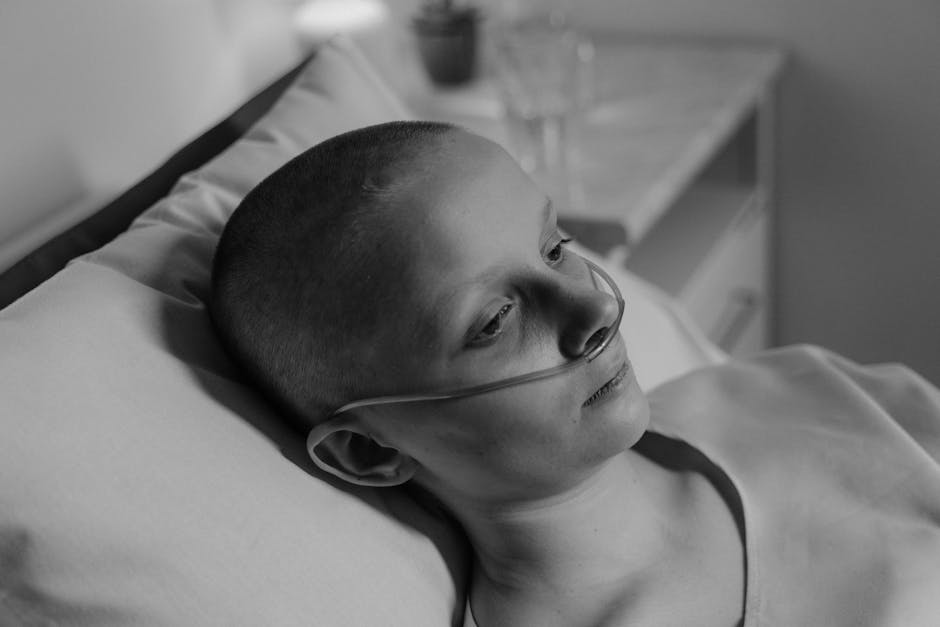
By her teenage years, Elara's mobility had severely diminished, necessitating the use of a wheelchair. The chronic neuropathic pain intensified, becoming a constant, debilitating presence. Even with a regimen of powerful analgesics, her pain often registered 9 out of 10 on the pain scale. As she entered early adulthood, PMN began to affect her autonomic nervous system, leading to dysautonomia. This manifested as severe blood pressure fluctuations, debilitating digestive issues, and an inability to regulate her body temperature. Respiratory compromise also became a serious concern, requiring supplemental oxygen, particularly at night. The cumulative effect was a life devoid of independence, marked by profound physical suffering and an ever-diminishing quality of life. Marcus and Sophia Vance transitioned into full-time caregivers, witnessing their daughter's daily struggle with unwavering dedication.
The Path to a Pain-Free End: Key Developments Leading to MAID
The decision to pursue Medical Assistance in Dying was not made lightly but was the culmination of years of suffering and careful consideration. It represented Elara’s ultimate act of autonomy in the face of an incurable and agonizing condition.
The Inevitable Decision
Elara first began seriously contemplating MAID in early 2022, following a particularly severe relapse that left her entirely bedridden for several months. The exhaustion from endless treatments, the profound loss of her independence, and the unbearable, intractable nature of her pain solidified her conviction. "Please let me go," she often whispered to her family and medical team, a plea born of profound weariness rather than despair. She expressed a desire for peace, a release from the relentless agony that had defined her existence. Her decision was not a surrender to depression, but a rational choice to reclaim agency over her final moments.
Navigating Canada’s MAID Framework
Canada's Medical Assistance in Dying (MAID) legislation, particularly as amended in March 2021, provided the legal framework for Elara's choice. The expanded criteria allowed individuals with grievous and irremediable medical conditions, even if their natural death was not immediately foreseeable, to apply for MAID. Elara's case met the stringent requirements: a serious and incurable illness, an advanced state of irreversible decline in capacity, and enduring physical or psychological suffering that was intolerable and could not be alleviated by other reasonable means.
Her application involved rigorous assessments by two independent physicians. Dr. Evelyn Reed, a neurologist from St. Paul's Hospital, and Dr. Thomas Chen, a palliative care specialist from Vancouver General Hospital, separately confirmed her eligibility. Both concluded that Elara's condition was indeed irremediable and her suffering intolerable. Furthermore, a psychological evaluation conducted by Dr. Lena Sharma affirmed Elara's mental capacity to make such a profound decision, concluding that her request was a rational response to her physical suffering, not a symptom of treatable depression. This multi-layered assessment process ensured that all safeguards within the MAID framework were meticulously observed.
Final Weeks and Farewell
Over the six months preceding October 26, Elara meticulously planned her final days. She dedicated her remaining time to meaningful interactions with her closest family and friends. These moments were filled with shared memories, laughter, and heartfelt expressions of gratitude for their unwavering support throughout her arduous journey. A small, private gathering was held a week before the scheduled procedure, allowing loved ones to say their goodbyes in a serene and intimate environment. Elara, with remarkable composure, penned individual letters to her family members, articulating her enduring love and her profound sense of peace with her decision. The procedure itself was scheduled to take place at her family home in Vancouver, a familiar and comforting setting that offered her dignity and solace in her final moments.
Broader Reverberations: Impact of Elara’s Choice
Elara Vance's decision, though deeply personal, has sent ripples through her immediate community and ignited broader discussions across Canada and beyond. Her story has become a touchstone for conversations about chronic pain, rare diseases, patient autonomy, and the evolving landscape of end-of-life care.
Family’s Grief and Advocacy
Marcus and Sophia Vance, Elara’s parents, expressed an overwhelming sense of profound sorrow mixed with deep respect for their daughter's agency. "We fought alongside her for twenty years, seeking every possible treatment, but we couldn't fight her pain," Sophia Vance stated in an emotional interview. "Her choice was her last act of self-determination, and we honored it with all our hearts." The family has publicly committed to honoring Elara's memory by becoming advocates for increased research into rare diseases, particularly those affecting the nervous system. They also aim to raise awareness about the critical need for improved access to comprehensive palliative care and expanded end-of-life options for individuals facing similar intractable suffering. Their grief is palpable, yet their resolve to effect positive change in Elara's name is unwavering.
Medical Community’s Reflection
Elara's case has sparked renewed and intense discussions within the medical community, especially among neurologists, pain specialists, and palliative care providers. Dr. Evelyn Reed, one of the assessing neurologists, commented, "Cases like Elara's underscore the inherent limitations of modern medicine in alleviating certain types of profound and intractable suffering. It forces us to confront the ethical complexities of patient autonomy, the definition of 'quality of life,' and our role as healers when a cure is simply not possible." Palliative care experts, while emphasizing the importance of maximizing comfort and support throughout life, acknowledge that for some, even the best palliative care may not fully address unbearable suffering. Her story prompts a deeper examination of the holistic needs of patients with chronic, debilitating conditions.
Public Discourse on Dignity and Suffering
The story of Elara Vance has resonated widely across Canada and internationally, igniting crucial conversations about the right to die with dignity, the nature of unbearable suffering, and the continually evolving landscape of assisted dying laws. Advocacy groups for rare diseases have seized upon Elara's experience to amplify their calls for greater public awareness and increased funding for research, emphasizing that while her situation was unique in its specifics, it represents a broader struggle for countless individuals living with neglected conditions. Bioethicists are weighing in on the delicate balance between the medical imperative to preserve life and the moral obligation to respect a patient's informed decision to end suffering when no medical solution exists. The public response has been largely sympathetic, fostering a more open dialogue around death, dying, and patient choice.
Looking Forward: The Legacy and Future of End-of-Life Care
Elara Vance's journey and her ultimate decision leave behind a profound legacy that is expected to influence future policy, research, and societal attitudes towards chronic illness and end-of-life choices. Her story serves as a powerful testament to the human desire for peace and dignity.
Calls for Enhanced Rare Disease Research
Elara's story serves as a stark and heartbreaking reminder of the immense challenges faced by individuals living with rare diseases, conditions that are often neglected by mainstream research efforts due to their limited prevalence. Organizations such as the Canadian Organization for Rare Disorders (CORD) have renewed their fervent pleas for increased government funding and pharmaceutical investment specifically targeted at rare disease research. The hope is that Elara's experience will galvanize efforts to discover new cures, more effective treatments, or at least better management strategies for conditions like Progressive Myeloneuropathy, which currently offer little hope. Her life, though cut short, is now a beacon for those still searching for answers.
Evolving MAID Legislation and Practice
Canada's Medical Assistance in Dying framework is still relatively nascent and continues to be subject to ongoing review and public debate. Elara's case, as a decision driven by chronic, intractable pain rather than an immediately terminal prognosis, falls within the expanded criteria introduced in 2021. Her story is likely to contribute to further refinement of MAID guidelines, particularly concerning the nuanced assessment of "intolerable suffering" and the comprehensive availability of alternative supports, including robust palliative care options. Furthermore, the discussion around the potential expansion of MAID to include mental illness as a sole underlying condition, slated for 2024, gains critical context from cases like Elara's, highlighting the intricate and sensitive considerations involved in defining and addressing profound human suffering.
A Lasting Plea for Compassion and Autonomy
Elara Vance's final act, while deeply personal and intensely private in its execution, has become a resonant public statement on the paramount importance of patient autonomy and the fundamental right to a dignified end. Her legacy is expected to foster greater empathy and understanding for the millions of individuals living with chronic, debilitating conditions worldwide. It is also anticipated to encourage more open, compassionate, and honest dialogues about end-of-life choices within families, medical communities, and society at large. Her poignant plea, "Please let me go," will echo as a powerful reminder of the human desire for peace in the face of insurmountable pain, prompting society to continually re-evaluate how it supports its most vulnerable members in their final, most profound decisions.