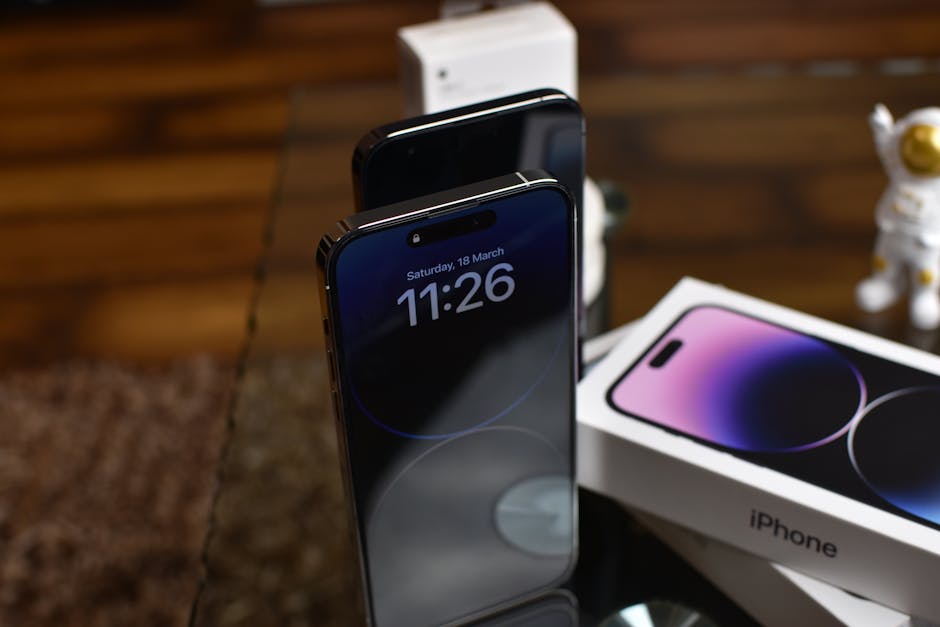
The rapid depletion of smartphone batteries remains a pervasive challenge for users globally, impacting daily productivity and device longevity. Analytics Insight delves into the multifaceted causes behind this widespread issue, offering a comprehensive look at both the technological factors at play and actionable strategies for mitigation. This analysis provides essential context for understanding modern mobile device performance.
Background: The Evolving Power Landscape of Smartphones
The journey of smartphone battery technology is marked by a constant race between increasing power demands and incremental improvements in energy storage. For decades, lithium-ion (Li-ion) batteries have been the cornerstone of portable electronics, revered for their high energy density and relatively long cycle life. Their adoption in the late 1990s revolutionized mobile communication, moving beyond the limitations of nickel-cadmium and nickel-metal hydride cells.
The Lithium-Ion Revolution
Lithium-ion batteries became the dominant choice due to their superior performance characteristics. Unlike their predecessors, they did not suffer from the "memory effect," allowing users to charge them at any state without degrading capacity. This flexibility, combined with a lighter weight and higher voltage per cell, made them ideal for the burgeoning mobile phone market. Over the years, advancements have focused on refining electrode materials, electrolytes, and separators to enhance safety, capacity, and charge rates.
The Power Demands Surge
However, the evolution of smartphone capabilities has consistently outpaced battery innovation. Early feature phones with monochromatic screens and basic functions required minimal power. The advent of smartphones brought larger, high-resolution color displays, powerful multi-core processors, sophisticated cameras, and a multitude of sensors. Each new generation of devices pushes the boundaries of computing in a pocket-sized form factor, inherently increasing the energy expenditure required to sustain these features.
Early Challenges vs. Current Complexities
In the initial smartphone era, battery life was often a trade-off for novel features. Today, the complexity has multiplied. Always-on internet connectivity, real-time location tracking, background app refreshes, and intensive multimedia consumption place unprecedented strain on power cells. Analytics Insight's ongoing monitoring of device performance data indicates a clear correlation between the proliferation of advanced features and the accelerated rate of battery drain observed by consumers across various brands and operating systems. This backdrop sets the stage for understanding the specific factors contributing to current battery woes.
Key Developments: Unpacking the Causes of Rapid Battery Drain
Modern smartphones are engineering marvels, but their sophisticated features often come at the cost of battery endurance. Analytics Insight's data analysis pinpoints several key developments and usage patterns that collectively contribute to faster battery depletion, moving beyond simple aging.
The Software Drain Epidemic
One of the most significant culprits is the software ecosystem. Contemporary applications, even when not actively in use, frequently run processes in the background. Social media apps constantly check for updates, messaging apps maintain persistent connections, and many utilities track location or refresh content. These background activities, compounded by push notifications, widgets, and live wallpapers, consume significant power over time. Furthermore, poorly optimized apps can create "wake locks" that prevent the device from entering a low-power sleep state, leading to continuous, unnoticed drain.
Hardware’s Thirst for Power
Technological advancements in hardware, while enhancing user experience, are inherently power-intensive. High-refresh-rate displays (90Hz, 120Hz, or even higher), now common on many premium and mid-range devices, offer smoother scrolling and more fluid animations but demand considerably more energy than standard 60Hz panels. Similarly, the rollout of 5G connectivity, while offering blazing-fast speeds, consumes more power than 4G LTE, particularly in areas with weaker 5G signals where the modem works harder to maintain a connection. Powerful System-on-Chips (SoCs) with multiple high-performance cores for demanding tasks like gaming, video editing, and augmented reality (AR) applications also contribute substantially to accelerated battery drain during active use.
The Invisible Enemy: Battery Degradation
Beyond active usage, the inherent chemical properties of lithium-ion batteries dictate their lifespan. Every charge and discharge cycle contributes to a gradual, irreversible degradation of the battery's capacity. Over time, the internal resistance increases, and the amount of lithium ions available to shuttle between electrodes diminishes, leading to a noticeable reduction in the total charge a battery can hold. Analytics Insight's studies show that after 400-500 full charge cycles, a typical smartphone battery may retain only 80% of its original capacity, a threshold often reached within two to three years of regular use.
Environmental Stressors
External factors also play a critical role. Extreme temperatures are detrimental to battery health and performance. High temperatures accelerate chemical degradation and can cause temporary capacity loss, while very low temperatures can reduce the battery's efficiency, leading to faster drain and sometimes unexpected shutdowns. Leaving a phone in direct sunlight or in a freezing car can significantly impact its lifespan and immediate performance. Improper charging habits, such as consistently draining the battery to 0% or leaving it plugged in at 100% for extended periods, can also stress the battery cells, shortening their overall life.
Impact: Who Is Affected by Rapid Battery Drain?
The issue of rapidly draining smartphone batteries extends far beyond mere inconvenience, creating significant ripple effects across various stakeholders, from individual consumers to global industries and the environment. Analytics Insight's comprehensive analysis highlights the broad implications of this pervasive problem.
User Frustration and Productivity Loss
At the forefront are the billions of smartphone users worldwide. Frequent battery drain leads to constant anxiety about finding a charging point, often dubbed "charger anxiety." This necessitates carrying power banks or seeking out wall outlets, disrupting workflows and personal activities. For professionals reliant on their devices for communication, navigation, or critical tasks, a dead battery can translate directly into lost productivity, missed opportunities, and communication breakdowns. The need to constantly monitor battery levels and adjust usage habits detracts from the seamless experience modern technology promises.
Device Lifespan and E-Waste Implications
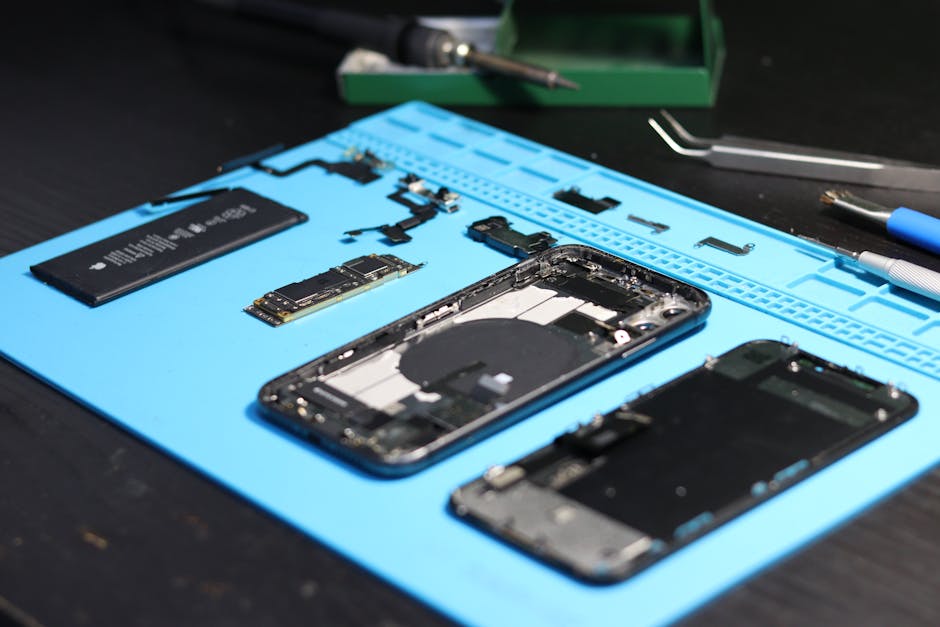
Rapid battery degradation directly contributes to shorter device lifespans. As batteries lose capacity, users often perceive their entire phone as "slow" or "old," even if other components are perfectly functional. This perception frequently drives premature upgrades, leading to a faster turnover of devices. From an environmental perspective, this accelerated consumption exacerbates the growing problem of electronic waste (e-waste). Discarded smartphones contribute to landfills and pose challenges for recycling due to hazardous materials, emphasizing the need for more durable and repairable products.
Industry Pressure for Innovation
Smartphone manufacturers face immense pressure to address battery life concerns. Consumer satisfaction is heavily tied to device endurance, making it a critical differentiator in a highly competitive market. Companies invest heavily in research and development, exploring new battery chemistries, more power-efficient chip architectures, and sophisticated software optimization techniques. The "right to repair" movement, gaining traction globally, also compels manufacturers to design devices with easily replaceable batteries, shifting away from sealed units that complicate repairs and encourage full device replacement.
Economic and Social Costs
The economic impact is also substantial. Consumers spend money on power banks, faster chargers, and ultimately, new devices sooner than might otherwise be necessary. The energy consumed by frequent charging, though individually small, accumulates globally. Socially, the constant need for charging points influences public infrastructure, from charging stations in airports and cafes to the design of public spaces. The collective impact underscores that battery drain is not just a technical glitch but a significant factor shaping modern digital life and its environmental footprint.
What Next: Solutions and Future Outlook for Battery Longevity
Addressing the challenge of rapid smartphone battery drain requires a multi-pronged approach, combining immediate user actions with long-term technological advancements and industry shifts. Analytics Insight identifies key strategies and future milestones aimed at enhancing battery longevity and user experience.
Empowering the User: Immediate Steps
Consumers have several practical steps they can take to mitigate faster battery drain and extend their device's lifespan. These include optimizing software settings: enabling dark mode on OLED screens, reducing screen brightness, and setting lower refresh rates (e.g., 60Hz instead of 120Hz). Managing background app refresh and notifications, disabling unnecessary location services, and turning off Wi-Fi or Bluetooth when not in use can significantly conserve power. Regularly monitoring battery usage in device settings helps identify power-hungry applications. Adopting healthy charging habits, such as keeping the battery charge between 20% and 80%, avoiding overnight charging past 100%, and using original or certified charging accessories, can also prolong battery health. Keeping the device's software updated ensures access to the latest power optimizations from manufacturers.
The Horizon of Battery Technology
The future of smartphone batteries holds promise with several advanced technologies under development. Solid-state batteries, which replace liquid electrolytes with solid ones, offer potentially higher energy density, faster charging, improved safety, and longer lifespans. Silicon-anode batteries are another area of intense research, aiming to increase energy density by replacing traditional graphite anodes with silicon, which can store significantly more lithium ions. Graphene-enhanced batteries promise faster charging speeds and improved thermal management. While these technologies are still largely in the research or early commercialization phases, they represent the next frontier in mobile power.
Smarter Software and Hardware Integration
Beyond battery chemistry, continuous improvements in hardware and software design are crucial. Chip manufacturers are developing increasingly power-efficient processors, often employing heterogeneous computing architectures (like ARM's big.LITTLE) that intelligently allocate tasks to high-performance or high-efficiency cores based on demand. Operating system developers are refining power management features, such as Android's Doze mode and App Standby, and iOS's Low Power Mode, which intelligently restrict background activity to conserve energy. Artificial intelligence (AI) is also being integrated to learn user habits and dynamically optimize battery usage, for example, by pre-emptively shutting down unused apps or adjusting performance profiles.
Industry Collaboration and Regulatory Push
The broader industry is moving towards greater sustainability and user empowerment. The "right to repair" movement is gaining legislative support in various regions, pushing manufacturers to design devices that are easier to repair and components, like batteries, that are readily replaceable. Standardized charging technologies, such as USB-C Power Delivery, aim to streamline the charging ecosystem and reduce e-waste from proprietary chargers. Furthermore, increased transparency from manufacturers regarding battery health metrics and expected degradation rates can help consumers make more informed decisions and manage their devices more effectively. These collective efforts from users, innovators, and regulators are essential to tackling the persistent challenge of smartphone battery drain.